Chinese vs Persian vs Turkish Handmade Carpets: Understanding Color Style Differences
Hand-knotted carpets—also known as hand-tufted or handwoven pile carpets—represent the highest level of craftsmanship in the global carpet industry. Among them, Chinese, Persian, and Turkish carpets are considered premium products, each with distinct artistic styles, cultural backgrounds, and color expressions.
While Persian and Turkish carpets are globally renowned, Chinese handmade carpets also hold a strong position in the high-end market. Understanding their differences—especially in color style and design philosophy—can help buyers, designers, and importers choose the right products for their projects.
1. What Makes Chinese Handmade Carpets Unique?
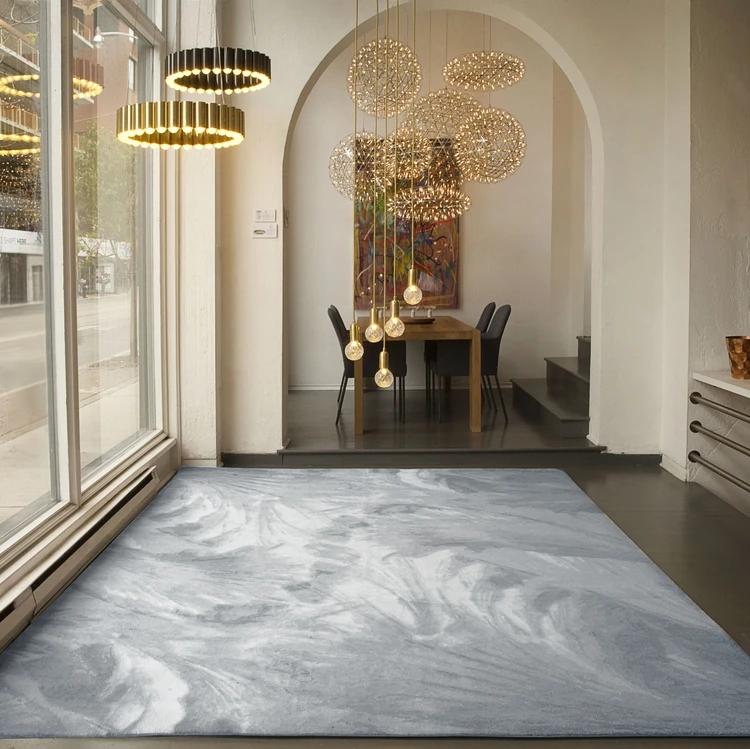
Chinese handmade carpets are known for their elegant, subtle, and refined color aesthetics. Unlike the bold and high-contrast styles of Persian and Turkish carpets, Chinese carpets emphasize:
- Muted tones with gray undertones
- Balanced and harmonious color transitions
- Soft emotional expression and artistic depth
This understated color style is deeply rooted in traditional Chinese aesthetics, where harmony and subtlety are highly valued.
2. Traditional Chinese Carpet Color Style
The “Three Blue” Tradition
One of the most iconic styles in Chinese carpets is the “Three Blue” palette, created using indigo dye:
- Dark blue
- Medium blue
- Light blue
While elegant, this palette was considered somewhat limited. Over time, additional natural colors were introduced, leading to the development of more diverse color schemes.
Today, most carpets use modern dyeing techniques, though some manufacturers are reviving natural plant dyeing to produce “antique-style carpets” for collectors and premium markets.
Why Chinese Carpets Have Softer Colors
The characteristic muted tones come from two key factors:
- Material Influence
Traditional Chinese carpets are made from wool or tussah silk, which naturally carry a slight warm and grayish tone. This affects how colors appear after dyeing. - Functional Consideration
Carpets are used on floors, so overly bright or pure colors may not be practical. Subtle tones are more durable visually and better suited for long-term use.
3. Comparison with Persian and Turkish Carpets
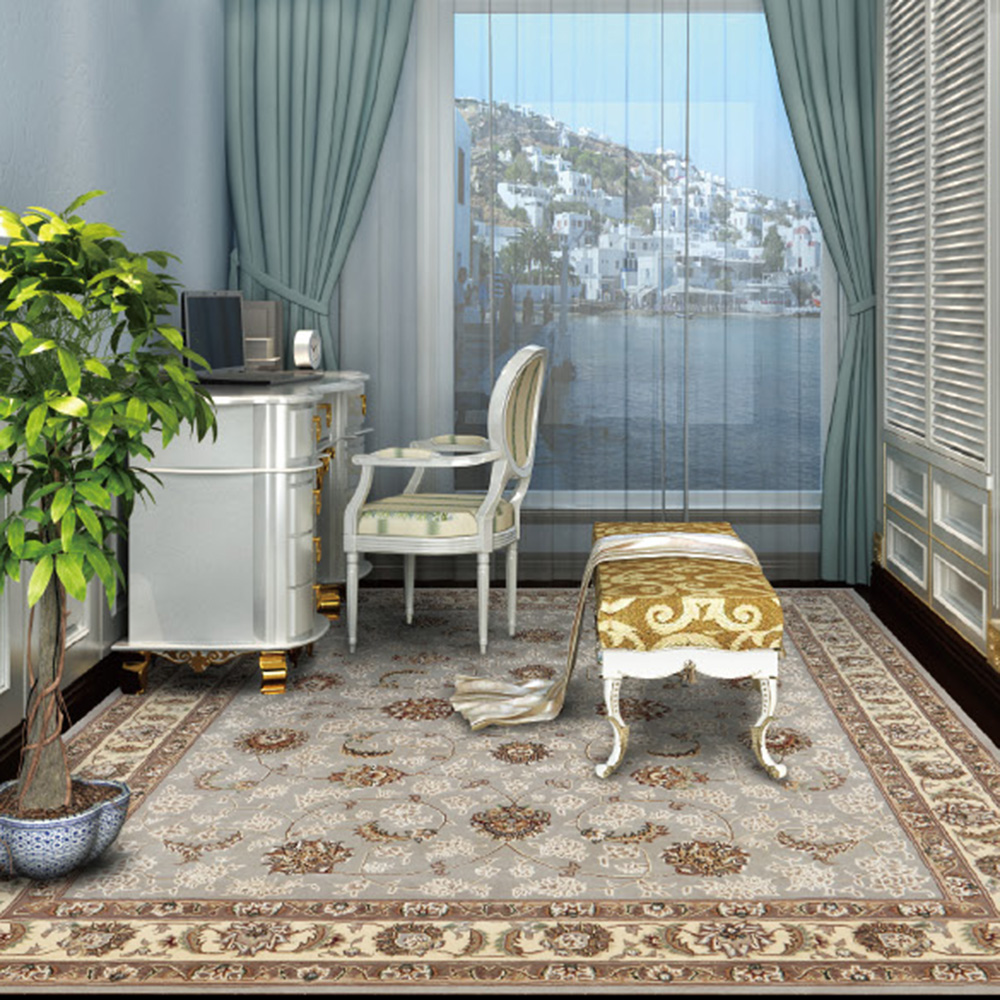
Persian Carpets
- Strong color contrast
- Rich reds, blues, and gold tones
- Highly intricate and complex patterns
- Emphasis on visual impact and artistic storytelling
Turkish Carpets
- Bold geometric designs
- Vibrant and high-saturation colors
- Strong cultural symbolism
Chinese Carpets
- Softer contrast and lower saturation
- Higher gray tone (muted palette)
- Simpler, more balanced compositions
- Focus on elegance, calmness, and atmosphere
Key Difference:
Chinese carpets prioritize subtle elegance, while Persian and Turkish carpets emphasize visual richness and contrast.
4. Design Styles in Chinese Carpets
Chinese handmade carpets are also categorized by design styles, including:
- Beijing Style: Inspired by Ming and Qing dynasty patterns
- Art Style: Influenced by Western floral designs (e.g., roses, tulips)
- Floral Style: Based on traditional Chinese painting motifs like peonies
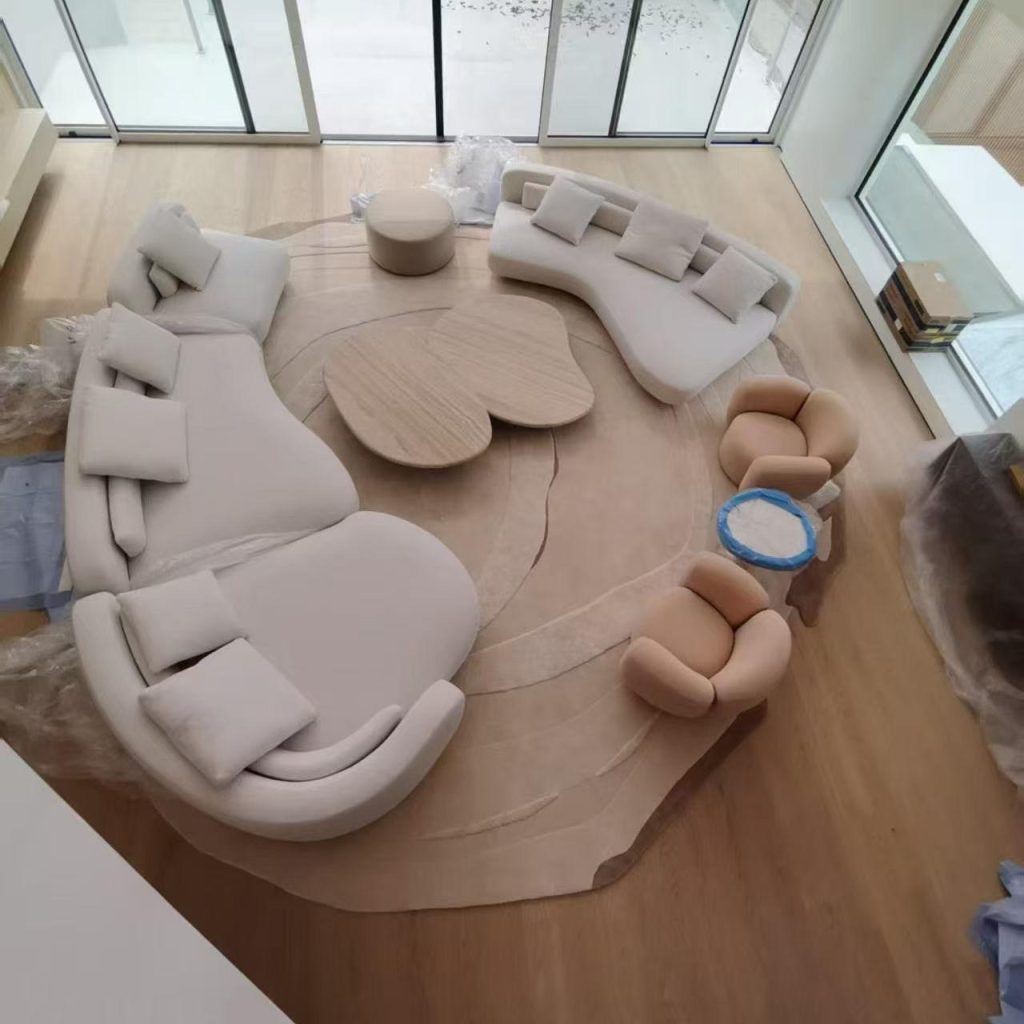
- Plain (Minimalist) Style: Focus on texture rather than color
- Classic & Antique Styles: Inspired by ancient patterns such as bronze or pottery motifs
Each style reflects a blend of tradition and modern adaptation for global markets.
5. Craftsmanship: The Role of “Carving” Technique
One unique feature of Chinese carpets is the “carving” technique (cutting grooves into the pile). This creates:
- A subtle 3D, relief-like effect
- Enhanced pattern definition despite low color contrast
- Greater visual depth and texture
This technique compensates for softer color contrast and is a key artistic distinction from Persian and Turkish carpets.
6. The Role of Color Emotion in Design
In Chinese carpet design, color is not just visual—it conveys emotion and atmosphere.
- Cooler tones create a calm and refined mood
- Balanced gray tones enhance elegance and sophistication
- Proper color harmony avoids overly bold or aggressive visuals
Even slight adjustments in color temperature can significantly change the emotional impact of the carpet.
7. Market Position & Value
Globally, carpet value is often influenced by:
- Pattern complexity
- Knot density (KPSI)
- Material quality
Persian and Turkish carpets typically feature more complex patterns, which contributes to their higher market recognition. However, Chinese carpets offer:
- Unique artistic identity
- High-quality craftsmanship
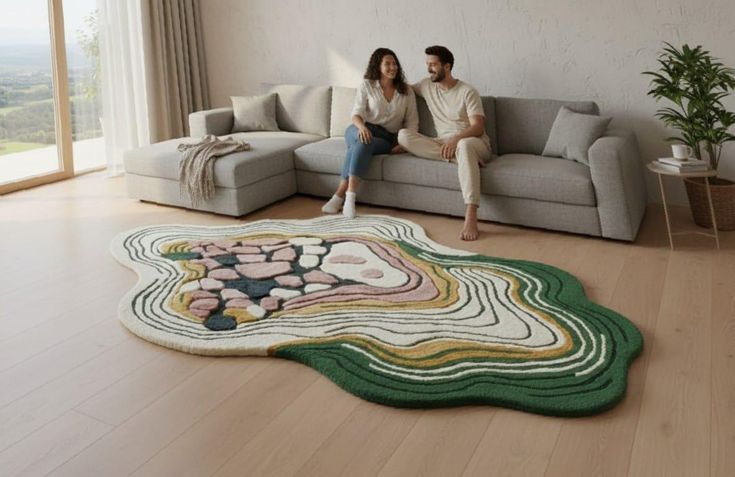
- Strong appeal in modern, minimalist, and luxury interiors
Conclusion
Chinese, Persian, and Turkish handmade carpets each represent a distinct cultural and artistic tradition:
- Persian & Turkish carpets: Bold, intricate, and visually striking
- Chinese carpets: Subtle, elegant, and emotionally refined
For buyers and designers, the choice depends on project style and desired atmosphere. If your goal is to create a calm, sophisticated, and timeless interior, Chinese handmade carpets offer a unique advantage.
Working with an experienced carpet supplier ensures you can access the right styles, materials, and custom solutions—helping you stand out in competitive global markets.