
Sisal Carpet: Features, Advantages, Disadvantages & Complete Buying Guide
Sisal carpet has become a popular choice in modern interior design due to its natural texture, durability, and eco-friendly properties. Whether used in homes, hotels, offices, or commercial spaces, sisal carpet offers a timeless aesthetic that blends nature with functionality.
Before choosing sisal carpet for your project, it is important to understand its material characteristics, benefits, limitations, and maintenance requirements. This guide provides a complete overview to help you make an informed decision.
What Is Sisal?
Sisal is a natural fiber extracted from the leaves of the Agave Sisalana plant, a succulent native to Central America. Today, it is widely cultivated in dry regions such as East Africa and South America.
The fibers are extremely strong and durable, making sisal ideal for manufacturing ropes, mats, and high-performance flooring materials such as carpets.
After harvesting, sisal fibers are dried, processed, and sometimes bleached before being woven into carpets. Major production regions include China and Belgium, which supply high-quality sisal carpet products worldwide.
What Is Sisal Carpet?
Sisal carpet is made from woven natural sisal fibers combined with a reinforced backing, often including rubber or non-slip layers for stability.
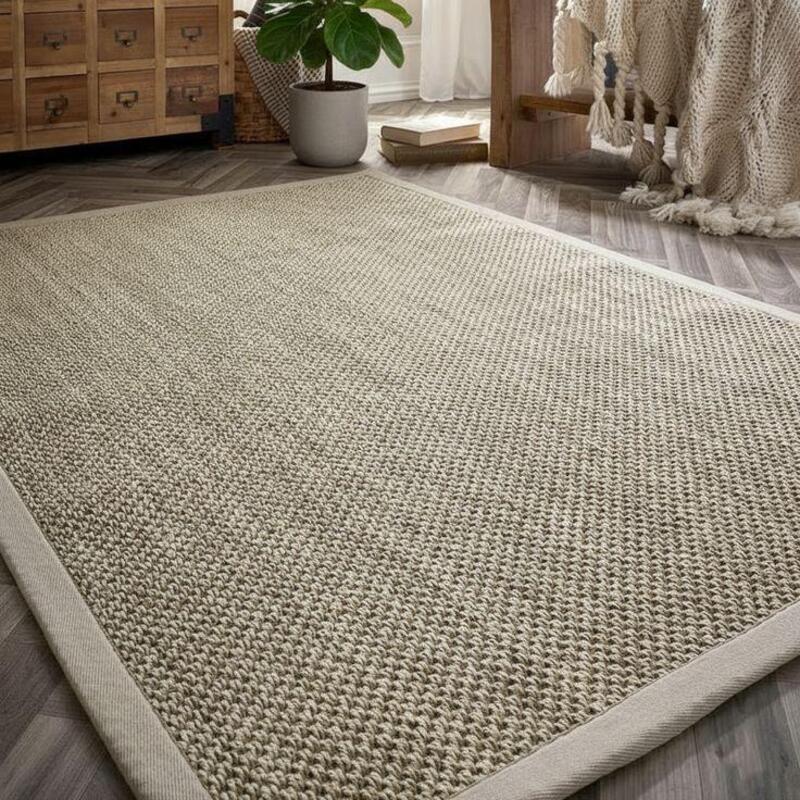
It is known for its rustic, earthy appearance and natural texture. Common weaving patterns include looped weave, herringbone, and basket-style structures, each offering a unique visual effect.
To improve comfort and durability, many installations include carpet underlay beneath the sisal surface.
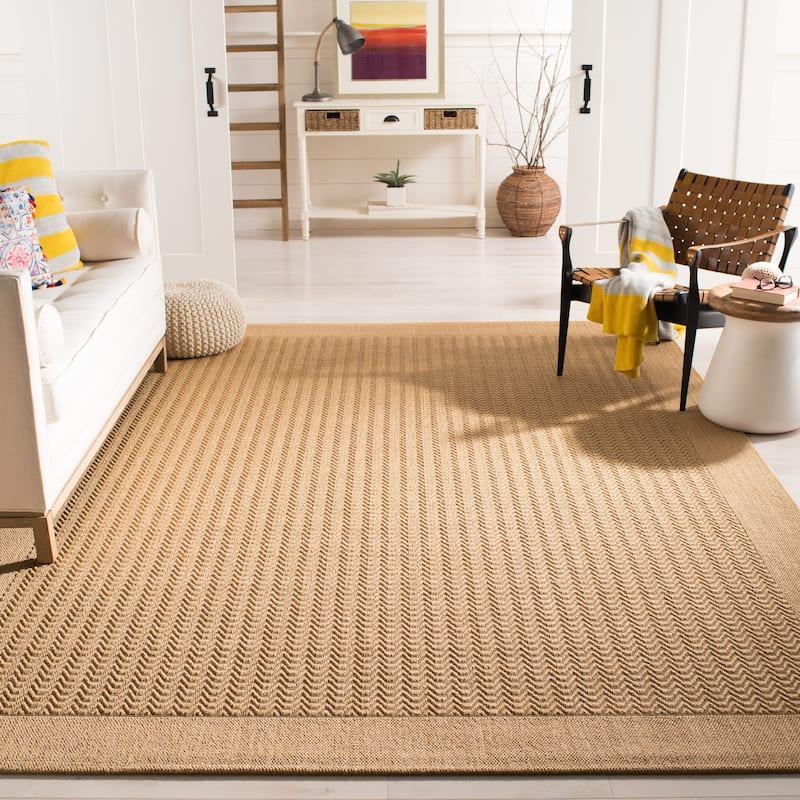
Why Sisal Carpet Is So Popular
Sisal carpet remains a long-term favorite in interior design because it offers:
- Natural and minimalist aesthetic
- High durability and wear resistance
- Strong customization potential
- Versatility across interior styles
- Timeless design that never goes out of fashion
Unlike synthetic materials that follow trends, sisal carpet maintains consistent demand due to its natural identity and functional performance.
Advantages of Sisal Carpet
1. Timeless Design
Sisal carpet adapts easily to different interior styles. With simple décor changes, it can fit modern, Scandinavian, rustic, or minimalist spaces, making it a long-term investment.
2. High Durability
Sisal fibers have high tensile strength, making them resistant to heavy foot traffic and wear. This makes them ideal for both residential and commercial use.
3. Eco-Friendly & Natural
As a plant-based material, sisal is biodegradable and environmentally friendly. It contains low VOC emissions and does not require chemical pesticides during production, making it suitable for healthy indoor environments.
4. Versatile Textures
Different weaving patterns such as basket weave, herringbone, and loop textures add depth and visual interest to interior spaces.
5. Neutral Color Palette
Sisal carpets come in natural tones such as beige, sand, and light brown, allowing them to blend seamlessly into almost any interior design scheme.
Disadvantages of Sisal Carpet
Despite its benefits, sisal carpet also has some limitations:
1. Indoor Use Only
Sisal is not suitable for wet or humid environments such as bathrooms or outdoor spaces, as moisture can damage the fibers.
2. Less Soft Underfoot
Compared to wool or synthetic carpets, sisal is relatively firm and may feel rough under bare feet. It is recommended to request samples before purchase.
3. Stain Sensitivity
Once installed, sisal carpet can be prone to staining. Even water spills may leave marks or cause fiber distortion if not cleaned immediately.
Is Sisal Carpet Pet-Friendly?
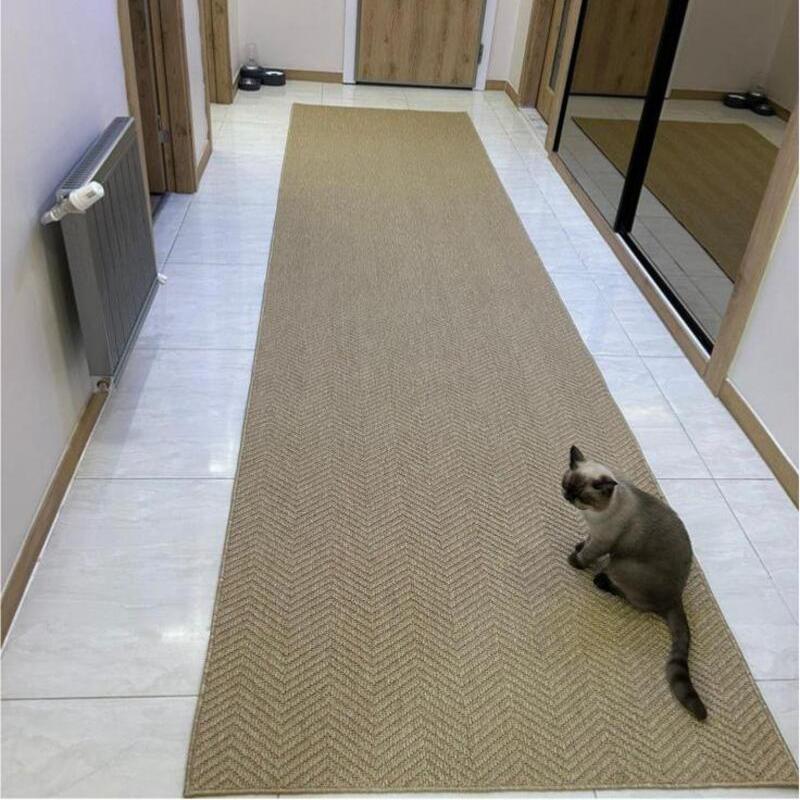
While no carpet is completely pet-proof, sisal carpets can still work in pet-friendly homes with proper care.
Recommended tips include:
- Choose darker tones to hide stains and pet hair
- Use sisal protective sprays to reduce liquid absorption
- Consider alternative fibers like seagrass for higher stain resistance
- Regular vacuum cleaning to maintain hygiene
With the right precautions, sisal carpet can still be a practical option for households with pets.
Sisal Carpet Cleaning and Maintenance
Sisal carpet is relatively easy to clean but requires careful maintenance to preserve its natural beauty.
Best practices include:
- Avoid wearing shoes indoors to reduce dirt accumulation
- Vacuum regularly using a HEPA-filter vacuum without rotating brushes
- Clean spills immediately by blotting (do not rub)
- Avoid installation in damp environments
- Use protective treatments to reduce liquid absorption
Proper maintenance significantly extends the lifespan of sisal carpet.
Is Sisal Carpet Suitable for Stairs?
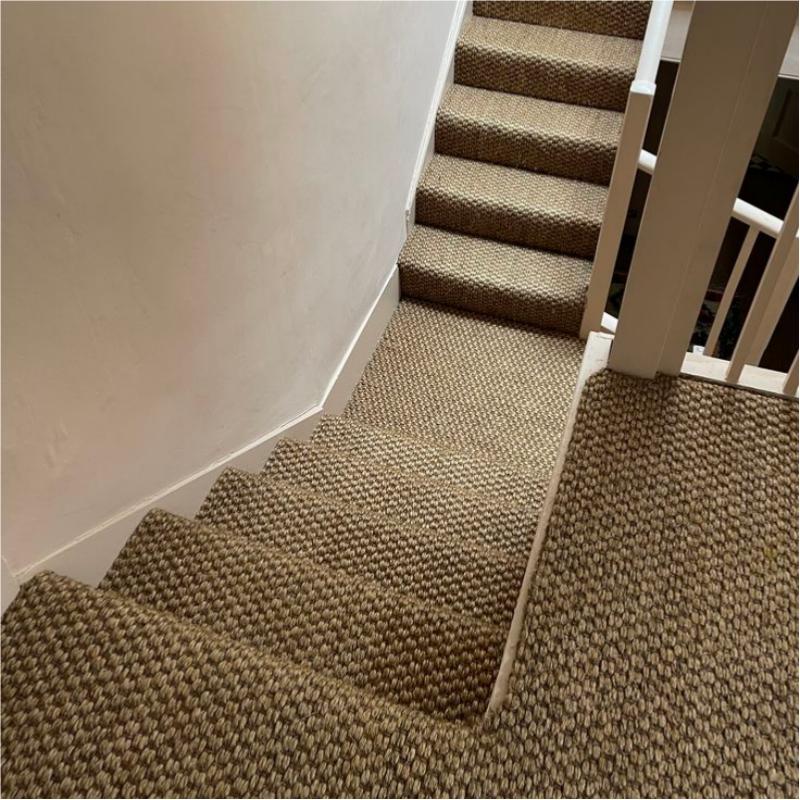
Yes, sisal carpet is often used for staircases due to its durability and anti-slip properties.
However, the carpet thickness and weave must be carefully selected. Overly thick or loose-weave sisal carpets may increase slipping risks, so tighter flat weaves are recommended for stair applications.
Conclusion
Sisal carpet is a durable, eco-friendly, and visually appealing flooring solution that brings natural warmth and texture into any space. While it has some limitations regarding moisture sensitivity and softness, its long-term durability and timeless aesthetic make it a strong choice for residential and commercial interiors.
Whether for homes, hotels, offices, or retail environments, sisal carpet delivers a perfect balance between natural beauty and functional performance—making it a smart investment for modern flooring design.