
Sisal Carpet: Bringing Natural Texture and Calm Elegance Into Modern Interiors
In today’s interior design world, where wool, cotton, and synthetic carpets dominate the market, sisal carpet has quietly emerged as a refreshing alternative. It redefines the relationship between flooring, furniture, and spatial atmosphere, bringing a raw yet calming natural touch into modern living and commercial environments.
More than just a floor covering, sisal carpet represents a return to simplicity—where texture, material, and environment work together to create a soothing, grounded experience.
What Is Sisal Carpet?
Sisal carpet is made primarily from natural sisal fibers, combined with a structured backing layer and often a non-slip base for stability. It belongs to the category of eco-friendly, biodegradable flooring materials, similar to jute and other plant-based woven textiles.
Because of its natural origin, sisal carpet is widely recognized as a sustainable flooring solution for both residential and commercial spaces.
Key Advantages of Sisal Carpet
Sisal carpet is valued for its unique balance between performance and environmental responsibility. Its main benefits include:
- Eco-friendly and biodegradable material
- High durability and strong pressure resistance
- Excellent wear and abrasion resistance
- Anti-bacterial and anti-mite properties
- Natural temperature regulation
- Anti-static performance
- Low-cost compared to premium wool carpets
These characteristics make sisal carpet a practical choice for modern interiors that prioritize sustainability and long-term value.
However, like all natural materials, sisal carpet also has limitations. Its color palette is relatively limited, typically in beige, sand, or earth tones. It may also fade under prolonged direct sunlight. Yet these “imperfections” are what give sisal its authentic, organic identity.

Sisal Carpet Weaving Patterns and Styles
Sisal carpets come in a variety of textures and weaving patterns, each offering a different visual and tactile experience:
1. Basket Weave Pattern
A classic crisscross structure formed by vertical and horizontal fibers. It is one of the most recognizable sisal textures, available in single-color, two-tone, and mixed-color designs.
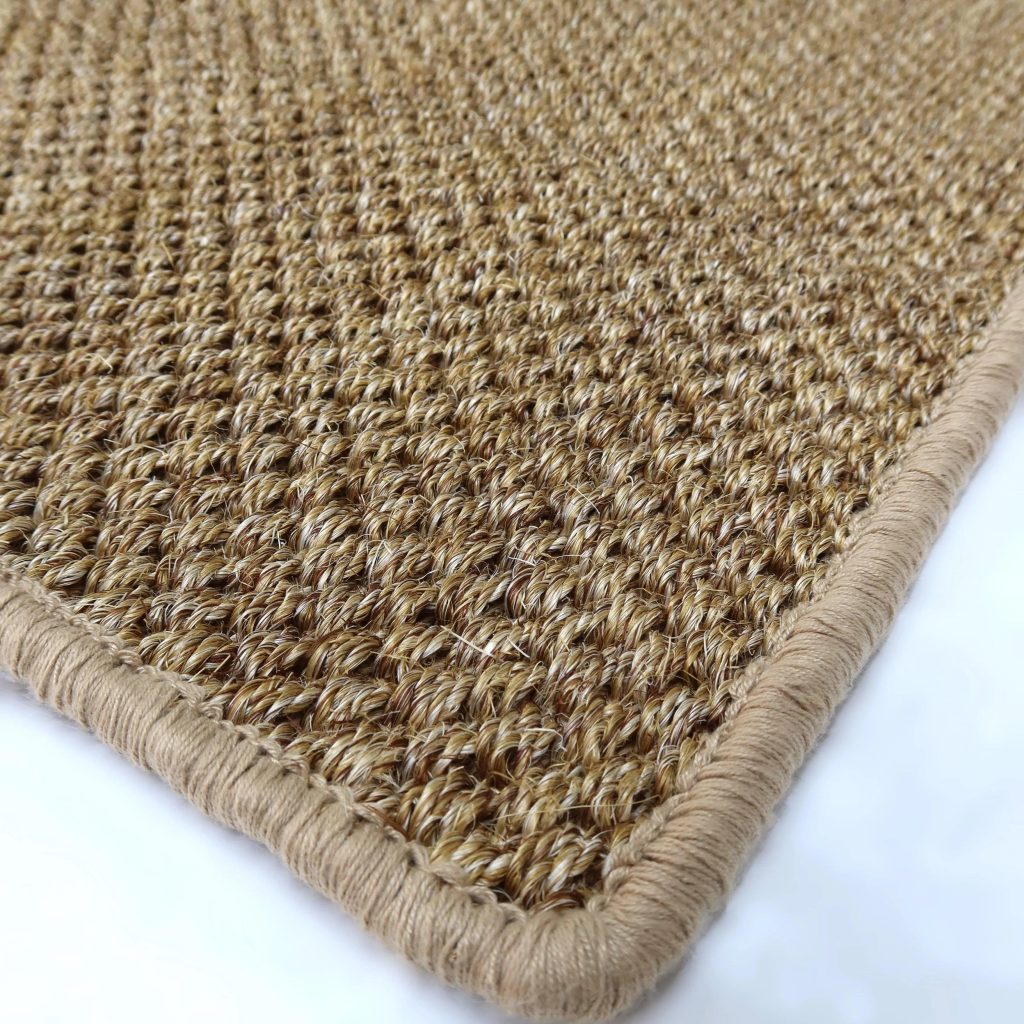
2. Herringbone Pattern
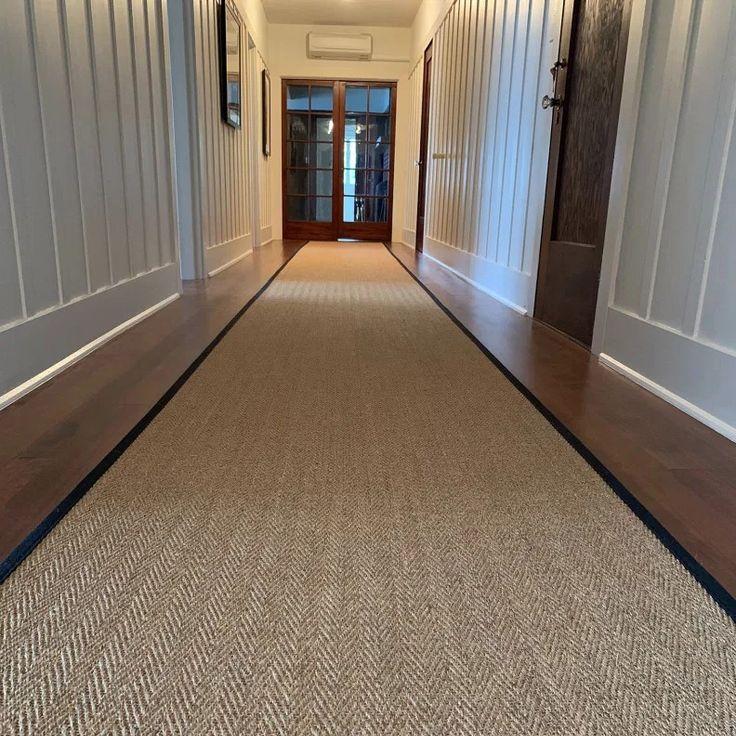
Inspired by fish bone structure, this pattern creates a dynamic and stylish visual effect. Compared to basket weave, it feels more modern and expressive.
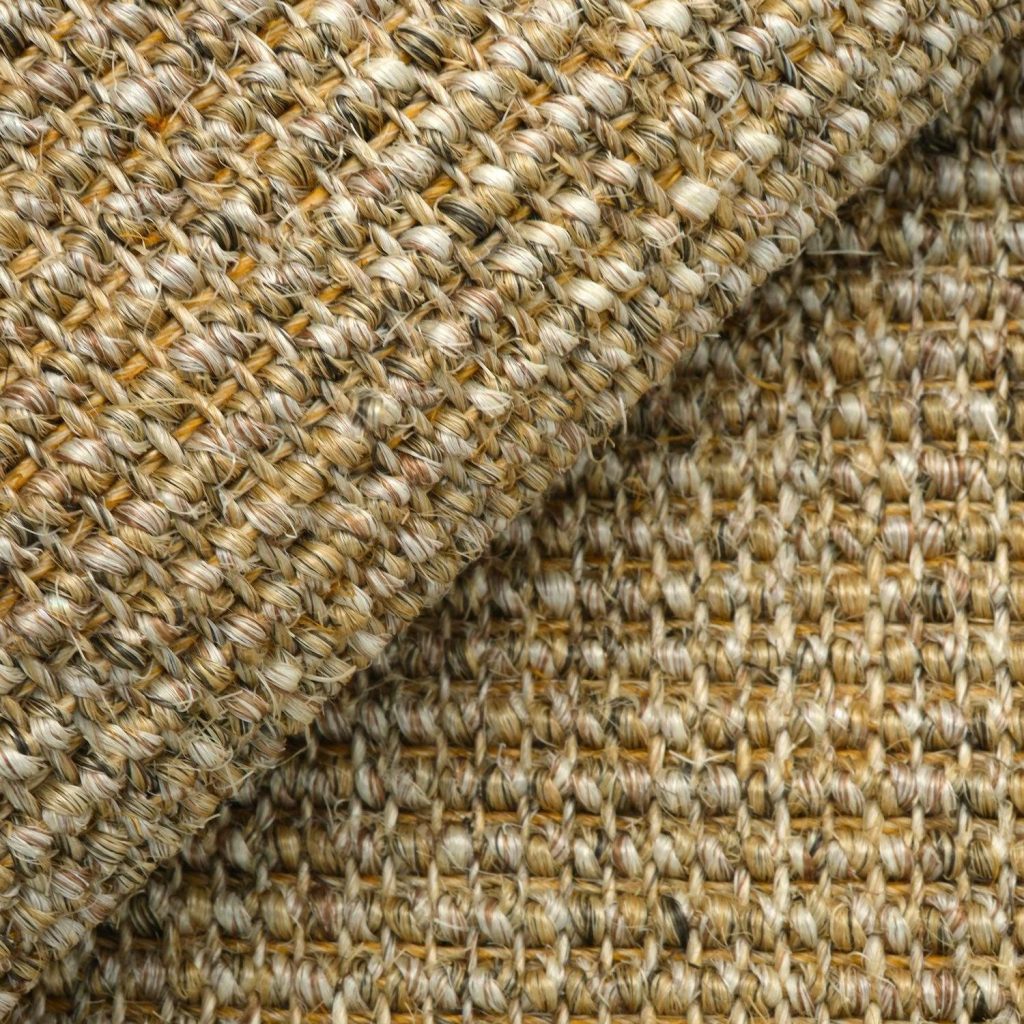
3. Twill / Spiral Pattern
One of the most common designs, featuring a structured and repetitive flow. It offers a balanced, orderly visual rhythm suitable for minimalist interiors.
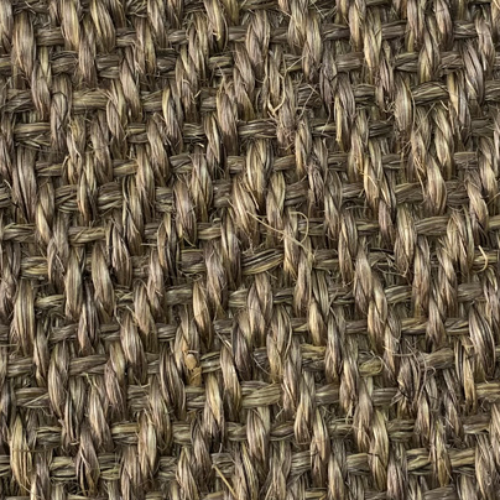
4. Pineapple Texture
A three-dimensional woven structure that resembles pineapple skin. It enhances tactile depth and adds a strong design presence.
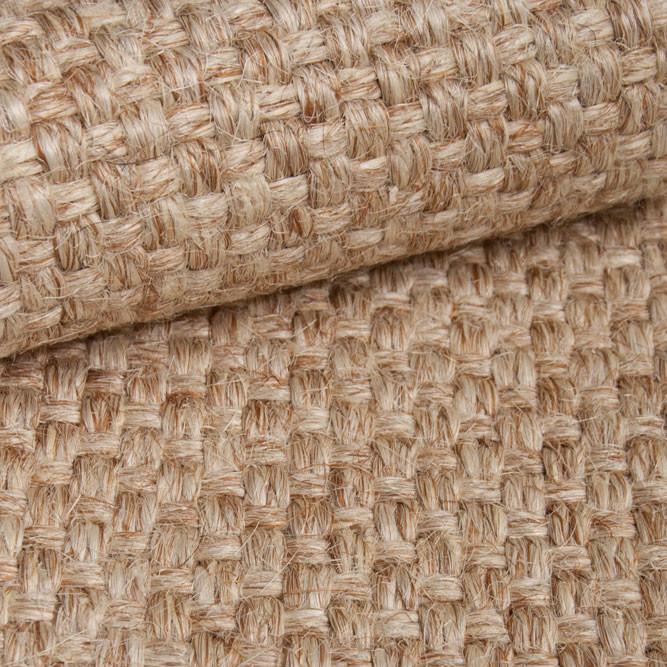
5. Tiger Eye Pattern
The most distinctive and artistic texture among all sisal designs. It offers strong visual depth and is often used in premium interior projects seeking uniqueness.
Where Sisal Carpet Works Best
The natural tone of sisal carpet—typically beige, khaki, and warm sand—creates a soft and grounded aesthetic that fits a wide range of interior styles.
It is commonly used in:
- Entryways and hallways
- Living rooms
- Dining areas
- Bedrooms
- Window seating and reading corners
Because sisal carpet can be custom-cut to fit different spaces, it integrates seamlessly into both small and large interiors, enhancing spatial harmony.
Ideal Interior Styles
Sisal carpet is especially suitable for:
- Scandinavian minimalist design
- Japanese Zen-inspired interiors
- Modern minimalist architecture
- Contemporary natural-style spaces
- Soft industrial interiors
In terms of furniture pairing, sisal carpet works best with:
- Wooden furniture
- Fabric upholstery
- Neutral-tone interior elements
These combinations highlight its natural and calming aesthetic.
Installation Methods of Sisal Carpet
There are two main installation approaches depending on the space and usage requirements:
1. Flexible (Loose Lay) Installation
This method allows the carpet to be placed freely without permanent fixing. It is ideal for:
- Small rooms
- Temporary setups
- Spaces requiring frequent cleaning or repositioning
It offers convenience and flexibility in maintenance and layout changes.
2. Fixed Adhesive Installation
This method uses adhesive or double-sided tape to secure the carpet to the floor. It is suitable for:
- Large commercial spaces
- High-traffic areas
- Permanent interior installations
While this method provides strong stability, it also requires regular vacuum cleaning, as adhesive-fixed carpets are not easily removed for washing.
Maintenance and Care Tips
To maintain the natural beauty of sisal carpet, regular care is essential:
- Vacuum frequently to remove dust and debris
- Avoid prolonged exposure to direct sunlight
- Prevent moisture accumulation
- Clean spills immediately to avoid staining
- Use proper underlay for added protection
With proper maintenance, sisal carpet can maintain its texture and appearance for many years.
Why Sisal Carpet Is Becoming a Modern Design Trend
Although sisal carpet may not offer the softness of wool or cotton, its raw texture and natural aesthetic bring something unique to interior design—authenticity.
It creates a calm, grounded atmosphere that helps people reconnect with natural materials in an increasingly artificial environment. This emotional value is one of the reasons why sisal carpet is gaining popularity in high-end residential and commercial projects worldwide.
Conclusion
Sisal carpet is more than just a flooring material—it is a design philosophy rooted in nature, simplicity, and sustainability. Its natural texture, muted tones, and eco-friendly composition make it an ideal choice for modern interiors seeking balance and tranquility.
Whether used in residential homes, boutique hotels, or minimalist commercial spaces, sisal carpet delivers a timeless aesthetic that is both functional and emotionally comforting.