
Wool Carpet: A Practical Guide to Types, Quality, and Selection
Wool carpet is a premium flooring solution widely used in hotels, offices, theaters, cinemas, villas, and other high-end commercial projects. Its natural texture, rich appearance, softness, resilience, and acoustic performance make it particularly attractive for hospitality and luxury interiors. But how much do you really know about wool carpet?
What Is Wool Carpet?
Wool carpet is made primarily from natural wool fibers and is known for its soft hand feel, excellent elasticity, dense texture, sound absorption, and thermal insulation. Compared with many economical synthetic carpets, wool provides a more natural and luxurious appearance, making it a popular choice for premium hotels, reception areas, executive lounges, and prestigious public buildings.
However, wool also requires proper maintenance because natural fibers can be more sensitive to moisture, insects, and certain environmental conditions.
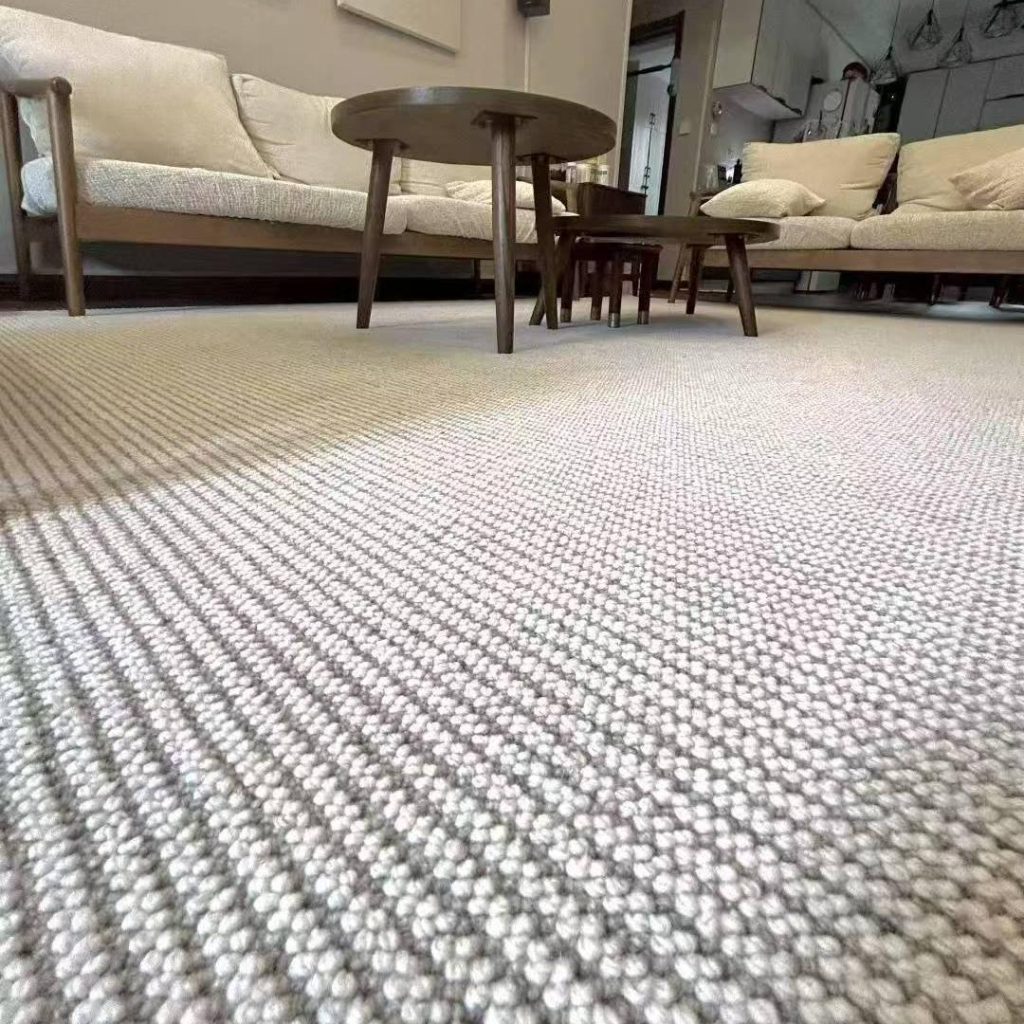
What Are the Main Types of Wool Carpet?
Wool carpet can be classified by manufacturing method, design, and fiber composition.
1. Tufted Wool Carpet
Tufted wool carpet offers excellent design flexibility, with options such as cut pile, loop pile, and cut-and-loop textures. Its rich colors and contemporary patterns make it suitable for hotel rooms, apartments, meeting rooms, and offices.
2. Wilton Wool Carpet
Wilton carpet features a dense construction, strong pile retention, and excellent pattern definition. It creates an elegant and warm atmosphere and is commonly used in luxury hotel rooms, suites, lounges, and other premium interiors.
3. Axminster Wool Carpet
Axminster carpet is one of the most popular choices for high-end hospitality projects. Its dense pile, excellent appearance retention, durability, stability, and sophisticated patterns make it suitable for hotel corridors, restaurants, banquet halls, bars, and conference rooms.
4. Custom Printed Carpet
Modern printing technology enables carpets to reproduce detailed patterns, multiple colors, and customized designs. Printed carpet is ideal for projects that require unique visual identities or creative interior themes.
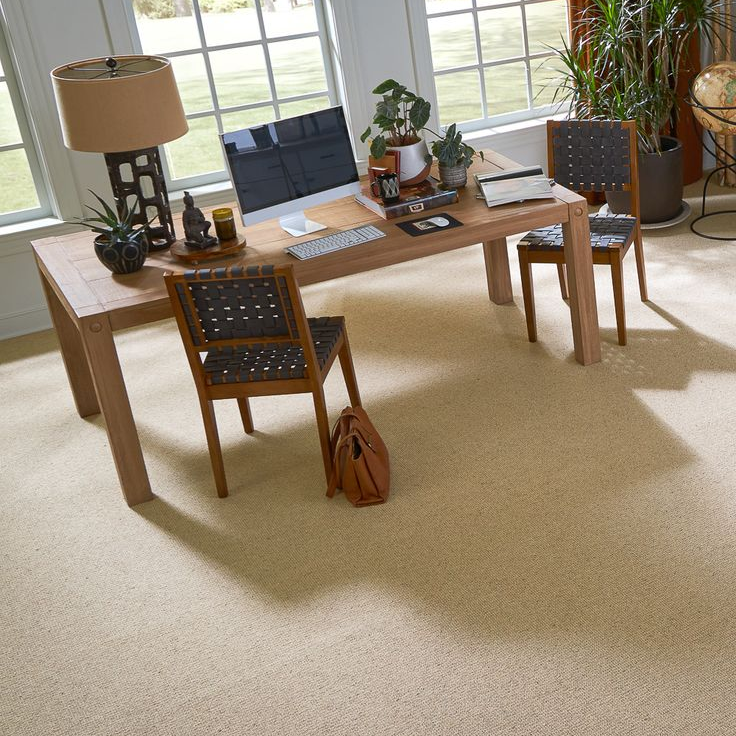
How Does Wool Content Affect Carpet Selection?
Wool carpet can also be classified according to its wool percentage. High-wool-content carpets generally provide a more luxurious natural feel, while wool blends can balance comfort, durability, and cost.
For example, wool/nylon blends are widely used in commercial hospitality projects because nylon can improve wear resistance while wool maintains a premium appearance and comfortable texture.
How to Check Wool Carpet Quality
Before purchasing, buyers can evaluate several key factors:
Check the surface: A quality carpet should have an even, dense pile, consistent color, clear patterns, and no obvious defects or exposed backing.
Touch the pile: Press the surface gently and release it. Good wool carpet should recover quickly and maintain its shape without excessive flattening.
Verify the fiber: Traditional burn testing can provide an indication of natural wool, but professional fiber testing and manufacturer documentation are more reliable for commercial purchasing.
Check wool origin: Premium wool, including carefully selected New Zealand wool, is valued for its resilience, strength, natural luster, and consistent quality. For project procurement, buyers should request fiber composition certificates, raw-material documentation, and relevant traceability records.
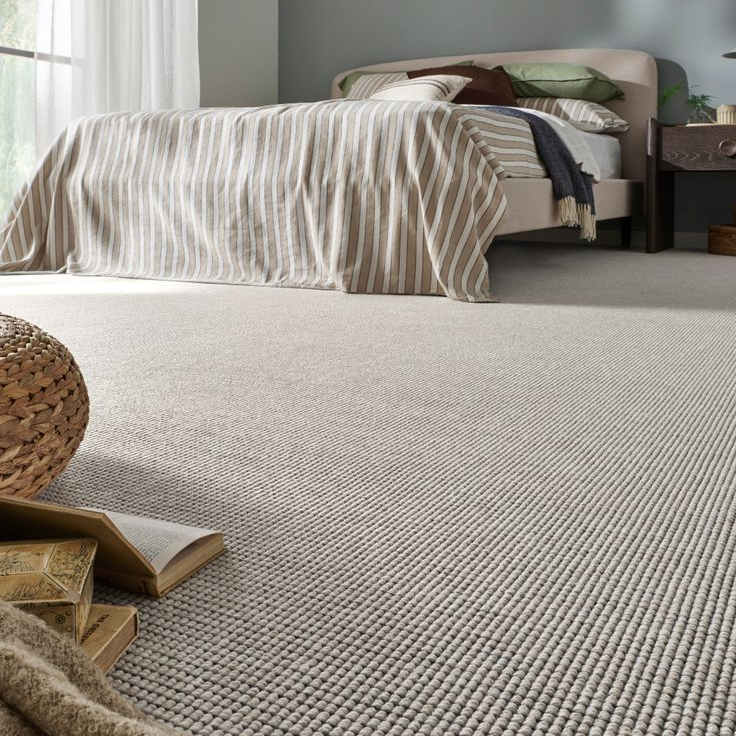
Choosing the Right Wool Carpet for Your Project
There is no single “best” wool carpet for every project. The right solution depends on traffic level, design requirements, maintenance conditions, acoustic needs, budget, and expected service life.
For luxury hotels and commercial interiors, custom Axminster, Wilton, tufted, and wool-blend carpets can deliver an attractive combination of elegance, comfort, durability, and design flexibility.
Working directly with an experienced carpet manufacturer can also help project buyers customize yarn composition, colors, patterns, pile construction, backing, and dimensions to meet specific architectural requirements.