
Why Handmade Rugs Became a Symbol of Luxury in Western Homes
Handmade rugs have long been an essential part of Western interior culture. From luxurious Persian silk rugs to timeless hand-knotted wool carpets, these pieces are far more than simple floor coverings. In Europe and North America, handmade rugs are often seen as symbols of taste, wealth, heritage, and social status. But where did this deep-rooted rug culture come from?
The answer can be traced back to the rise of the bourgeoisie in 19th-century Western society, when home decoration became a powerful expression of identity and class.
The Rise of Consumer Culture and Luxury Interiors
During the 19th century, Europe experienced rapid industrialization and economic growth. A wealthy middle and upper class — often referred to as the bourgeoisie — began to emerge. Unlike aristocrats who inherited status through bloodlines, the bourgeoisie displayed their success through material culture, elegant homes, and luxury possessions.
One of the most important social rituals of this period was the “reception” or social gathering hosted inside private homes. Families invited guests into carefully decorated living spaces where furniture, artwork, fabrics, and decorative objects silently communicated wealth and social position.
The home itself became a language of status.
Large houses with separate dining rooms, salons, private lounges, servant areas, and decorated reception rooms symbolized financial success and cultural refinement. Every detail mattered — from chandeliers and porcelain to curtains and carpets.
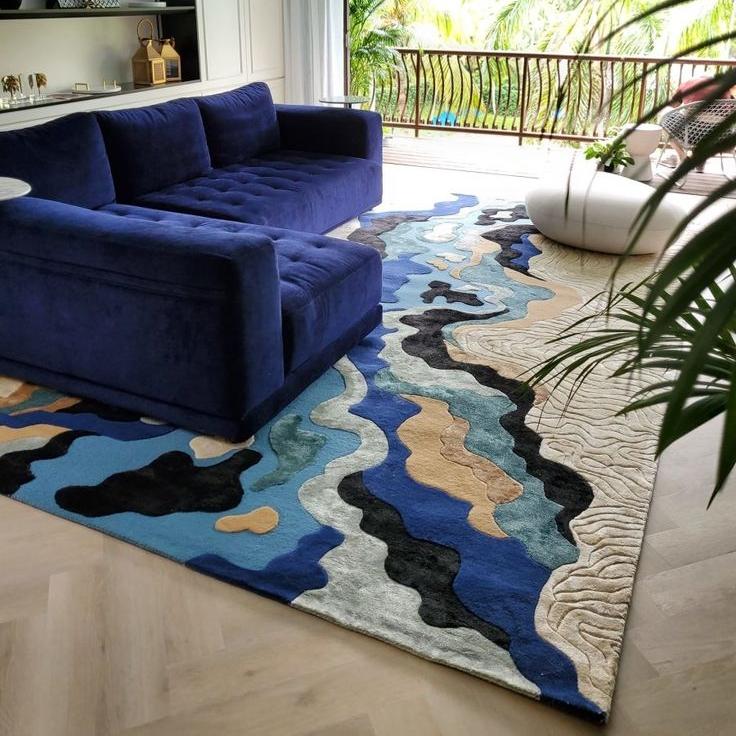
Why Handmade Rugs Became Essential in Western Homes
Among all decorative objects, handmade rugs played a particularly important role. Rugs added warmth, softness, and luxury while visually completing the interior space.
At that time, textiles were one of the clearest indicators of wealth. Silk fabrics, woven tapestries, embroidered curtains, and hand-knotted carpets represented craftsmanship and exclusivity. In many upper-class homes, the decorative textiles were sometimes even more valuable than the furniture itself.
Handmade Persian rugs and Oriental carpets became highly desirable because they offered:
- Intricate artistic designs
- Luxurious textures
- Rare handcrafted quality
- Cultural sophistication
- Long-lasting durability
Owning a handmade wool or silk rug signaled not only wealth, but also refined taste and international cultural awareness.
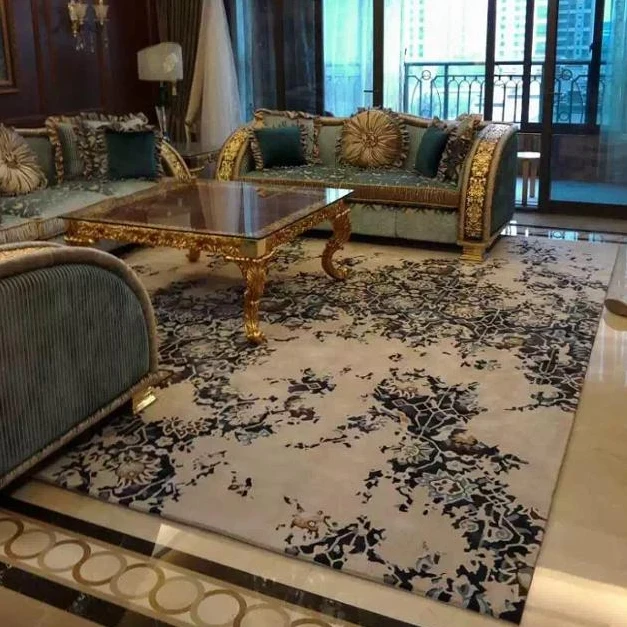
The Living Room: A Symbol of Social Status
One of the clearest signs of bourgeois status was the existence of a formal living room or salon. This space was designed specifically for entertaining guests and showcasing elegance.
Unlike practical family rooms, salons were often filled with decorative objects rather than functional furniture. Handmade rugs became the visual foundation of these interiors, helping create an atmosphere of prestige and sophistication.
Typical salon decorations included:
- Handmade carpets
- Oil paintings
- Sculptures
- Silk draperies
- Crystal candle holders
- Antique furniture
- Decorative porcelain
The goal was not minimalism. Instead, interiors were intentionally layered with luxurious details that reflected the owner’s social ambitions and cultural identity.
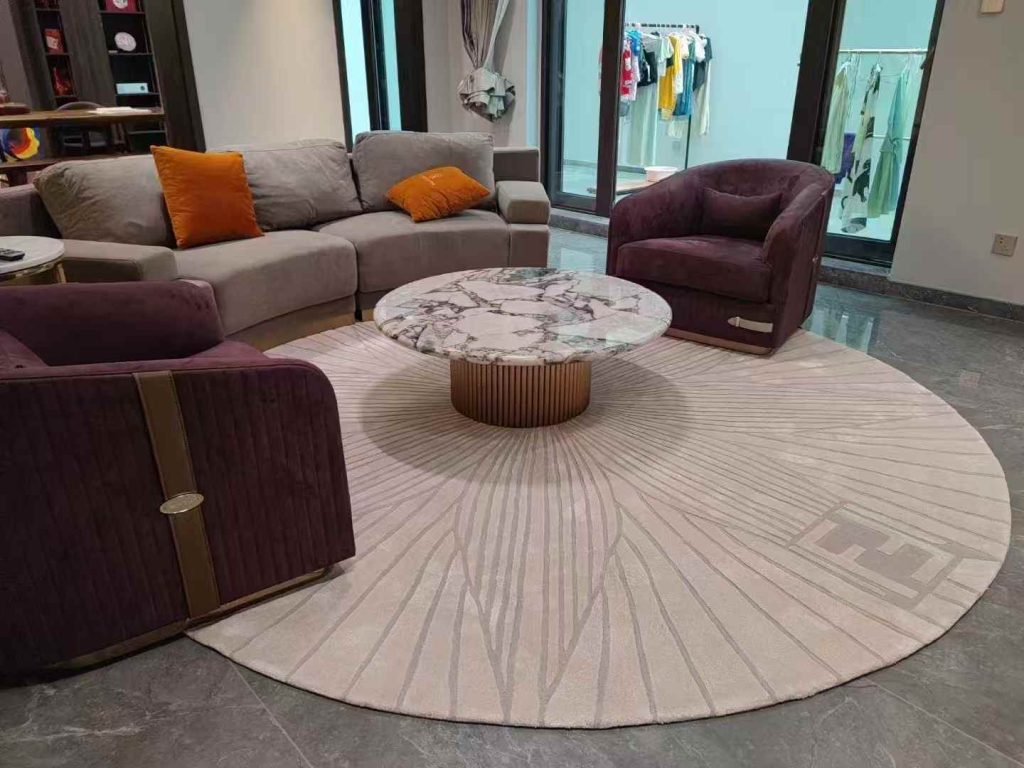
Handmade Rugs as a Cultural Language
In Western society, interior decoration gradually evolved into a visual language. Every object inside the home carried symbolic meaning, and handmade rugs became one of the strongest symbols of elegance and prosperity.
Even today, this cultural influence remains strong.
Luxury hotels, villas, classic estates, and designer homes throughout Europe and North America continue to use handmade rugs to create a sense of sophistication and timeless beauty. Persian rugs, Turkish carpets, and fine Chinese silk rugs are still considered collectible works of art that can be passed down through generations.
For many families, a handmade rug is not just decoration — it is a statement about lifestyle, taste, and identity.
Why Handmade Rugs Still Matter Today
Modern interior trends may change, but the appeal of handmade rugs remains timeless. In today’s world of fast furniture and mass production, handcrafted rugs offer something increasingly rare: authenticity, artistry, and heritage.
High-quality hand-knotted rugs can last for decades or even centuries. Many antique wool and silk rugs sold at international auctions today are more than 100 years old and still retain their beauty and value.
This lasting durability makes handmade rugs not only home décor pieces, but also long-term investments.
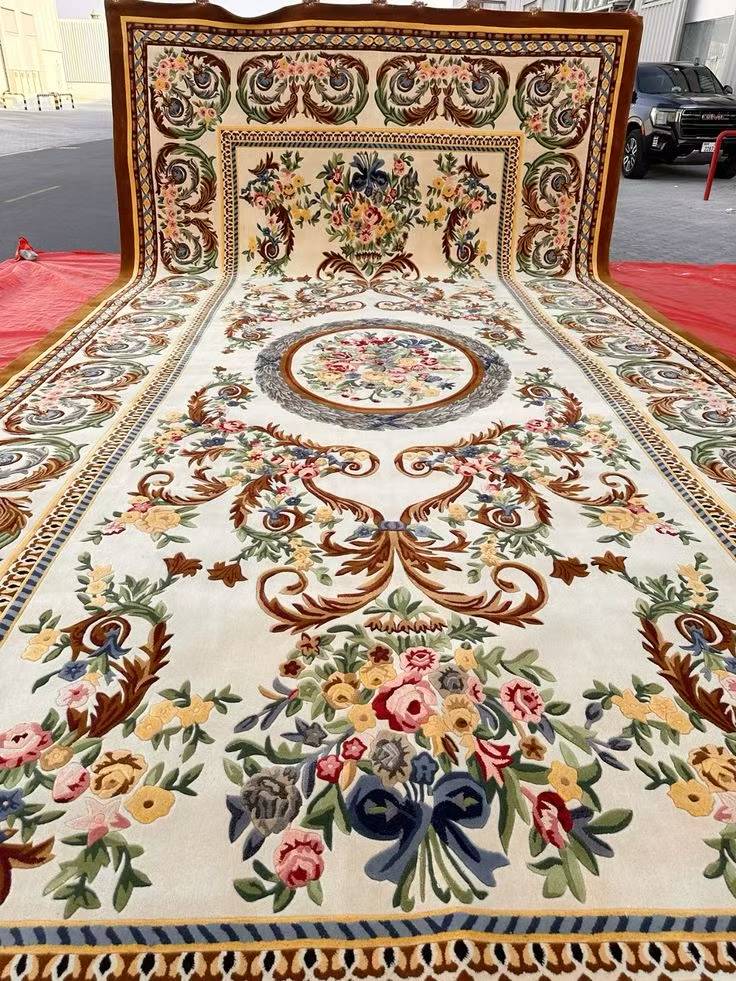
Handmade Wool Rugs vs. Silk Rugs
Western consumers today commonly choose between handmade wool rugs and handmade silk rugs depending on lifestyle and interior needs.
Handmade Wool Rugs
- Durable and practical
- Ideal for living rooms and high-traffic areas
- Warm texture and timeless appearance
- Easy to integrate into various interiors
Handmade Silk Rugs
- Luxurious shine and refined details
- Perfect for formal salons, bedrooms, and collector spaces
- Highly artistic and visually striking
- Often regarded as collectible art pieces
Both materials continue the centuries-old tradition of luxury textile culture in Western homes.
Final Thoughts
The popularity of handmade rugs in Western society did not happen by accident. It originated from a historical culture of social identity, luxury living, and artistic expression that dates back to the rise of the bourgeoisie in the 19th century.
Today, handmade rugs still carry the same symbolic value. Whether it is a Persian silk rug, a Turkish tribal carpet, or a Chinese hand-knotted wool rug, these timeless pieces continue to represent elegance, craftsmanship, and refined living.
For homeowners, interior designers, and collectors alike, investing in a handmade rug is not only about decorating a room — it is about bringing history, culture, and artistry into everyday life.