
How to Avoid 90% of the Mistakes When Buying Carpet Tiles for Commercial Projects
In commercial fit-out projects such as offices, hospitals, schools, airports, and office buildings, carpet tiles have become one of the most popular flooring solutions. Their modular design, easy replacement, and flexible installation make them ideal for high-traffic environments.
However, many project buyers discover too late that choosing the wrong carpet tiles can lead to serious problems: failed fire inspections, unpleasant odors, premature wear, costly replacements, and project delays.
So, how can procurement managers, contractors, architects, and facility managers select the right carpet tiles while avoiding common pitfalls?
This guide explains the key factors that matter most when purchasing carpet tiles for commercial projects.
Why Carpet Tiles Are the Preferred Choice for Commercial Spaces
Compared with traditional broadloom carpets, carpet tiles offer several advantages:
- Easy installation and replacement
- Lower maintenance costs
- Flexible design possibilities
- Minimal material waste
- Faster project completion
- Better adaptability to raised floors and complex layouts
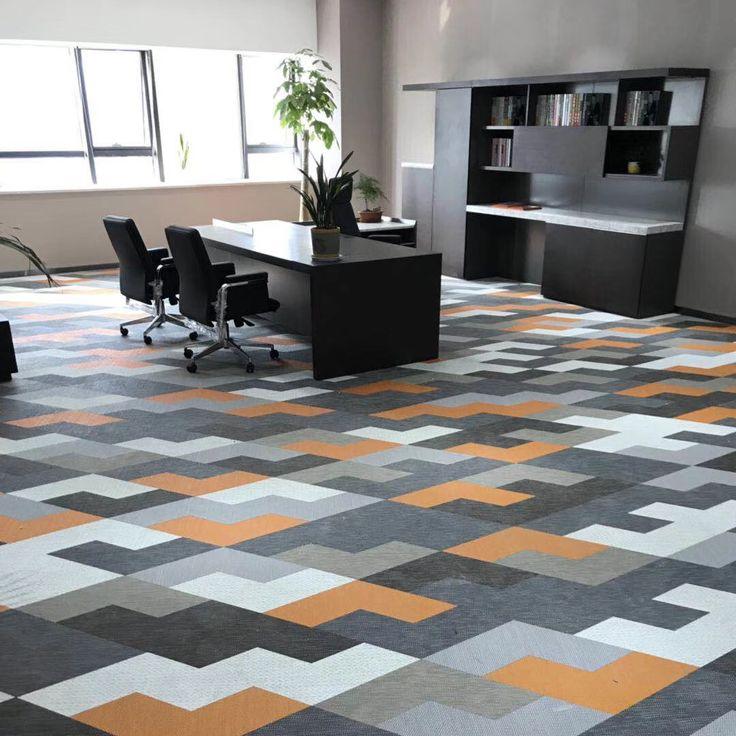
For large-scale commercial projects, these benefits can significantly reduce long-term operational expenses.
The Two Non-Negotiable Standards
1. Fire Resistance: A Critical Safety Requirement
In commercial buildings, fire safety compliance is mandatory.
Many low-cost carpet tiles on the market use recycled materials and inadequate flame-retardant treatments. While they may look acceptable initially, they often fail building inspections and create serious safety risks.
When evaluating carpet tiles, always request:
- Fire test certificates
- Compliance reports
- Commercial-grade fire ratings
- Third-party laboratory testing documents
For offices, hospitals, schools, and public buildings, fire performance should never be compromised for price.
2. Environmental Performance and Indoor Air Quality
Newly renovated spaces often require fast occupancy.
Poor-quality carpet tiles may release:
- Formaldehyde
- Benzene compounds
- Excessive VOCs (Volatile Organic Compounds)
These emissions can affect employee health, delay occupancy schedules, and create complaints from building users.
Look for carpet tiles that offer:
- Low VOC certification
- Eco-friendly adhesives
- Odor-free materials
- Compliance with indoor environmental standards
High-quality carpet tiles help create healthier and more comfortable work environments.
Four Additional Factors That Determine Long-Term Value
1. Durability and Wear Resistance
Commercial flooring experiences constant foot traffic, chair movement, rolling carts, and cleaning equipment.
A quality carpet tile should provide:
- High-density fiber construction
- Excellent abrasion resistance
- Resistance to crushing and matting
- Long service life in high-traffic areas
Investing in durable carpet tiles often reduces replacement costs over the life of the building.
2. Easy Cleaning and Maintenance
Maintenance costs can quickly exceed initial purchasing costs.
Modern commercial carpet tiles should feature:
- Stain-resistant surface treatments
- Easy vacuuming
- Fast spot cleaning
- Dirt-hiding patterns
These features help facilities teams maintain a professional appearance with less effort.
3. Fast and Efficient Installation
Construction schedules are often tight.
Carpet tiles should offer:
- Accurate sizing
- Precise edge finishing
- Quick installation
- Minimal disruption to other trades
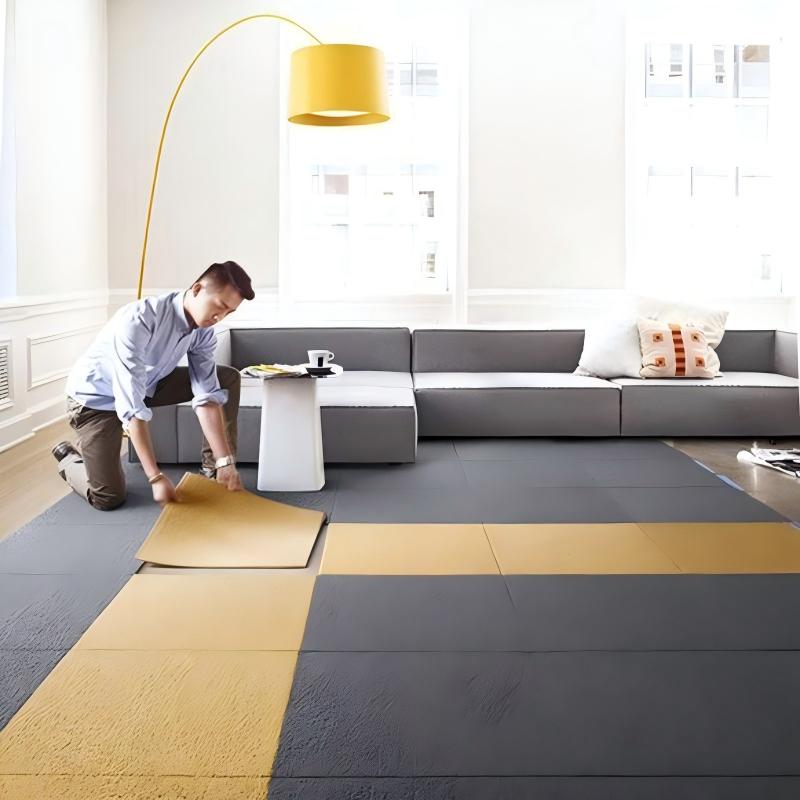
Because individual tiles can be replaced separately, future maintenance is also much simpler than replacing an entire broadloom carpet.
For large office renovations and commercial developments, installation efficiency can significantly impact overall project timelines.
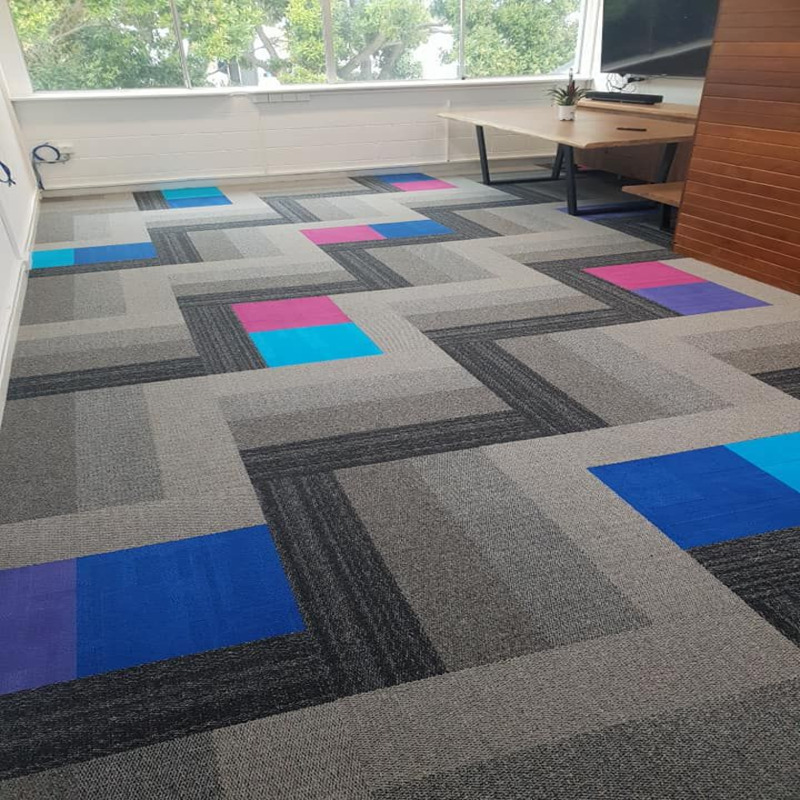
4. Customization Options
Every project has unique design requirements.
Today’s commercial carpet tile manufacturers can often provide:
- Custom colors
- Corporate branding
- Logo integration
- Wayfinding patterns
- Acoustic solutions
- Healthcare-specific designs
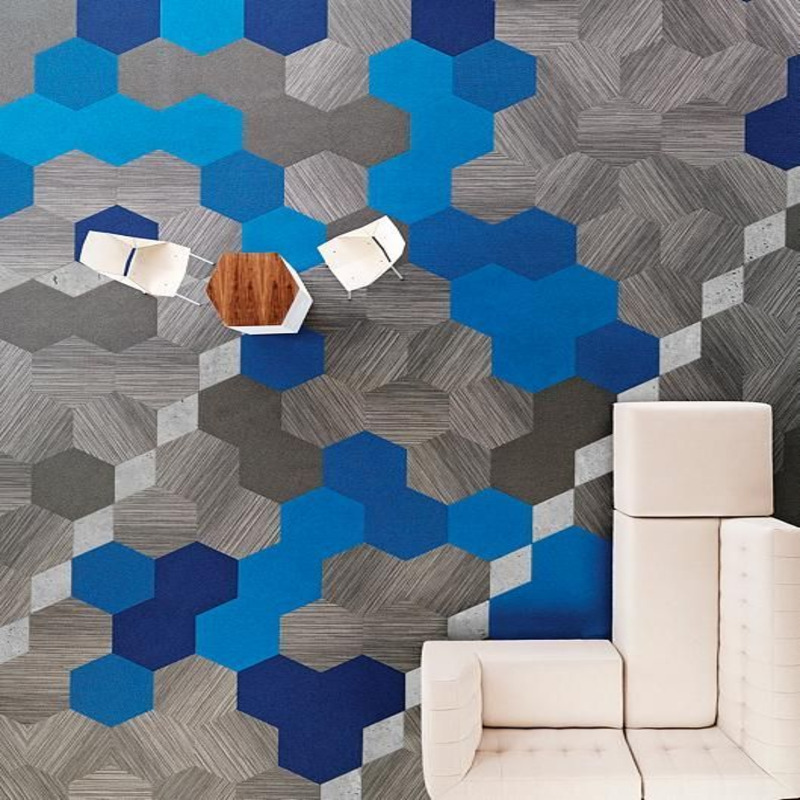
Customized carpet tiles help create distinctive spaces while supporting brand identity.
Why the Lowest Price Usually Costs More
One of the biggest procurement mistakes is focusing exclusively on upfront pricing.
Cheap carpet tiles often result in:
- Early wear and tear
- Failed inspections
- Increased maintenance costs
- Frequent replacement
- Occupant complaints
- Project delays
What initially appears to be a cost-saving decision often becomes significantly more expensive over the flooring’s lifecycle.
Instead of comparing only unit prices, evaluate:
- Performance certifications
- Warranty terms
- Product lifespan
- Supplier reliability
- Installation support
- After-sales service
The Benefits of Working with a Direct Manufacturer
Choosing a professional commercial carpet supplier offers several advantages:
Stable Supply Capacity
Large projects require reliable inventory and production capabilities.
A qualified manufacturer can support:
- Multi-phase developments
- Urgent orders
- Large-volume purchases
- Consistent product quality
Professional Technical Support
Experienced suppliers can assist with:
- Product selection
- Site evaluation
- Quantity calculations
- Installation recommendations
- Maintenance planning
Better Long-Term Service
Strong after-sales support helps protect your investment through:
- Warranty coverage
- Replacement programs
- Maintenance guidance
- Technical assistance
A Simple Carpet Tile Procurement Checklist
Before placing an order, follow these steps:
Step 1: Define Project Requirements
Consider:
- Office
- Hospital
- School
- Retail center
- Government building
Each environment has different performance requirements.
Step 2: Verify Certifications
Request documentation for:
- Fire resistance
- Environmental compliance
- Durability testing
- Commercial-use certification
Step 3: Test Samples
Evaluate:
- Appearance
- Texture
- Stain resistance
- Odor levels
- Installation quality
Step 4: Review Supplier Capabilities
Confirm:
- Inventory availability
- Delivery schedules
- Installation support
- Warranty policies
Step 5: Choose Long-Term Value
Select products based on lifecycle performance rather than the lowest purchase price.
Final Thoughts
Successful carpet tile procurement is not simply about finding the cheapest product. It is about balancing safety, durability, environmental performance, installation efficiency, and long-term value.
For commercial projects, the right carpet tiles can improve acoustics, enhance workplace comfort, strengthen interior design, and reduce maintenance costs for years to come.
By focusing on certified products, reliable suppliers, and proven performance standards, project owners can avoid the mistakes that cause delays, budget overruns, and costly replacements.
The best commercial carpet tile is not necessarily the cheapest option—it’s the one that delivers reliable performance throughout the life of the building.