
Carpet Buying & Installation Guide: How to Choose the Right Carpet for Your Space
Carpets are no longer just decorative floor coverings. In modern homes, offices, hotels, and commercial spaces, carpets play an important role in improving comfort, acoustics, cleanliness, and interior aesthetics.
Whether you are choosing carpet tiles, wall-to-wall carpet, or planning a full flooring renovation, understanding carpet materials, backing types, installation methods, and maintenance tips can help you make a smarter investment.
This guide explains everything you need to know before buying and installing carpets.
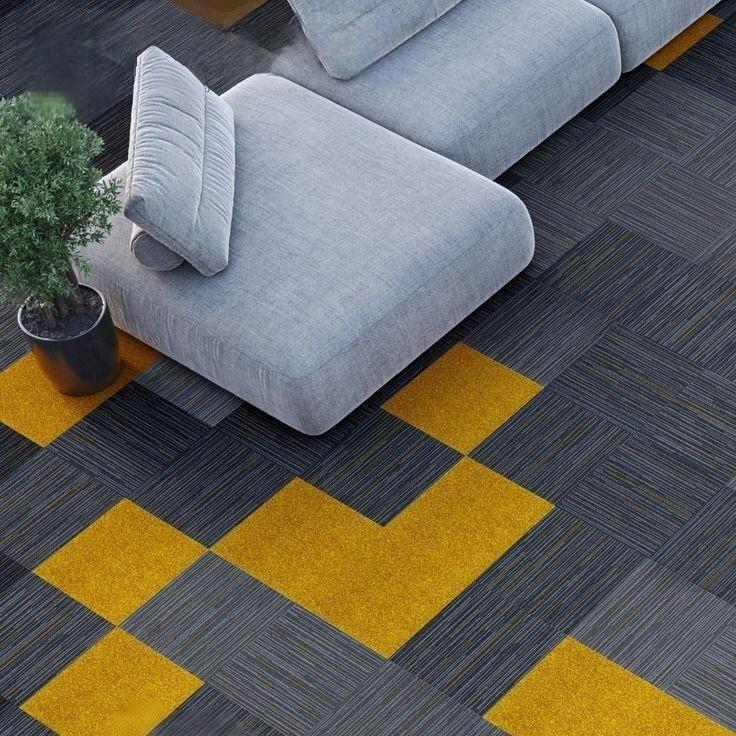
Why Use Carpet?
Carpets provide much more than visual appeal. A well-selected carpet can improve both functionality and comfort.
Main Benefits of Carpet
- Dust Reduction
Carpet fibers trap dust and fine particles, helping reduce airborne dust indoors. - Noise Reduction
Carpets absorb footsteps and echo, making offices, apartments, and meeting rooms quieter. - Interior Enhancement
Carpets add warmth, texture, and a more premium atmosphere to any space. - Easy Cleaning & Maintenance
Daily cleaning is simple with regular vacuuming.
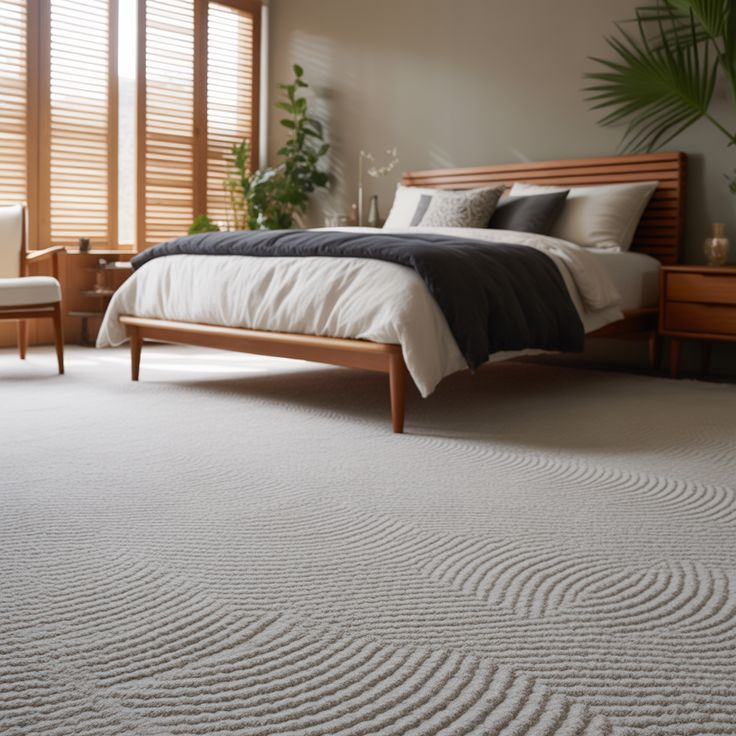
Carpet Types Explained
1. By Shape & Installation Style
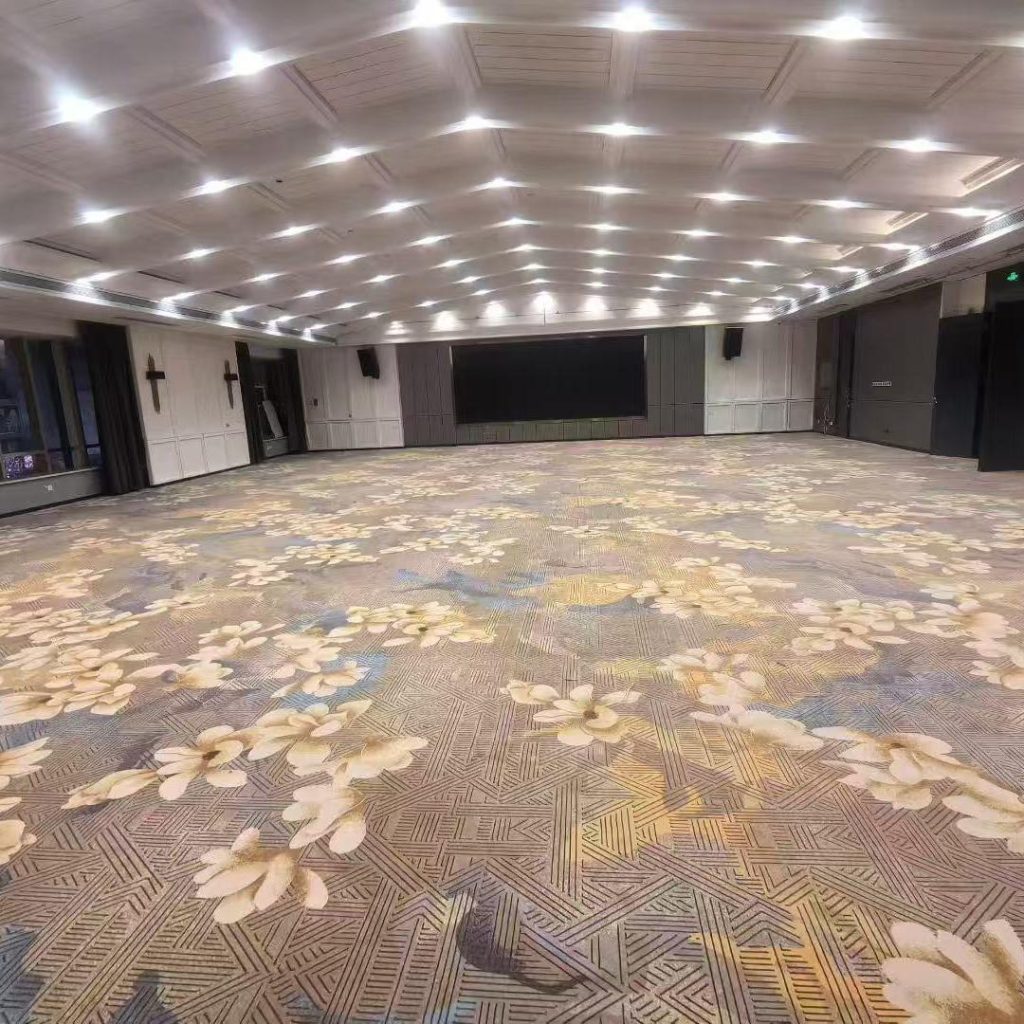
Wall-to-Wall Carpet
Wall-to-wall carpet covers the entire floor area and is widely used in:
- Hotels
- Offices
- Cinemas
- Meeting rooms
- Residential bedrooms
Most broadloom carpets are produced in 4-meter widths, with customizable lengths.
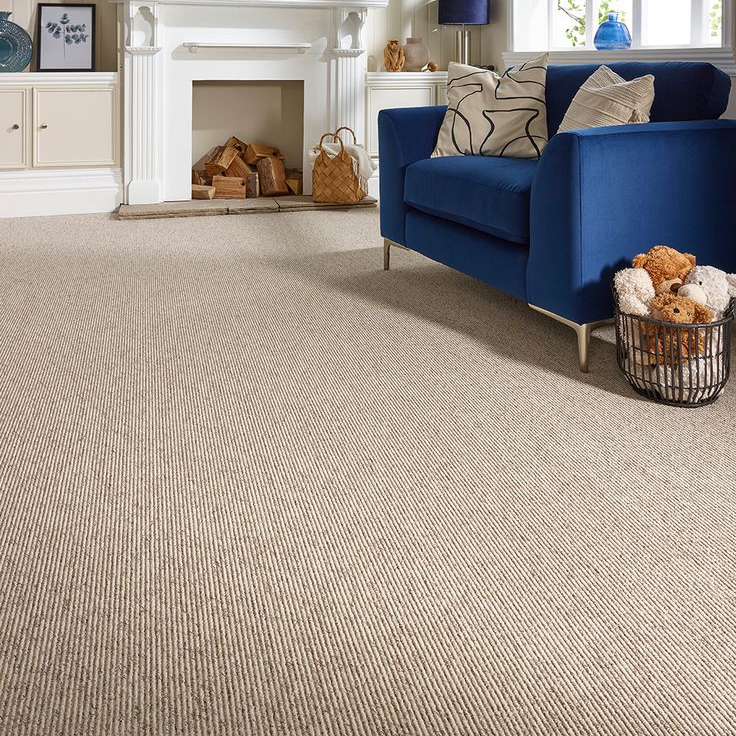
Carpet Tiles
Carpet tiles are modular carpet squares, usually in 50×50 cm sizes.
Advantages include:
- Easy replacement
- Flexible design combinations
- Faster installation
- Lower maintenance costs
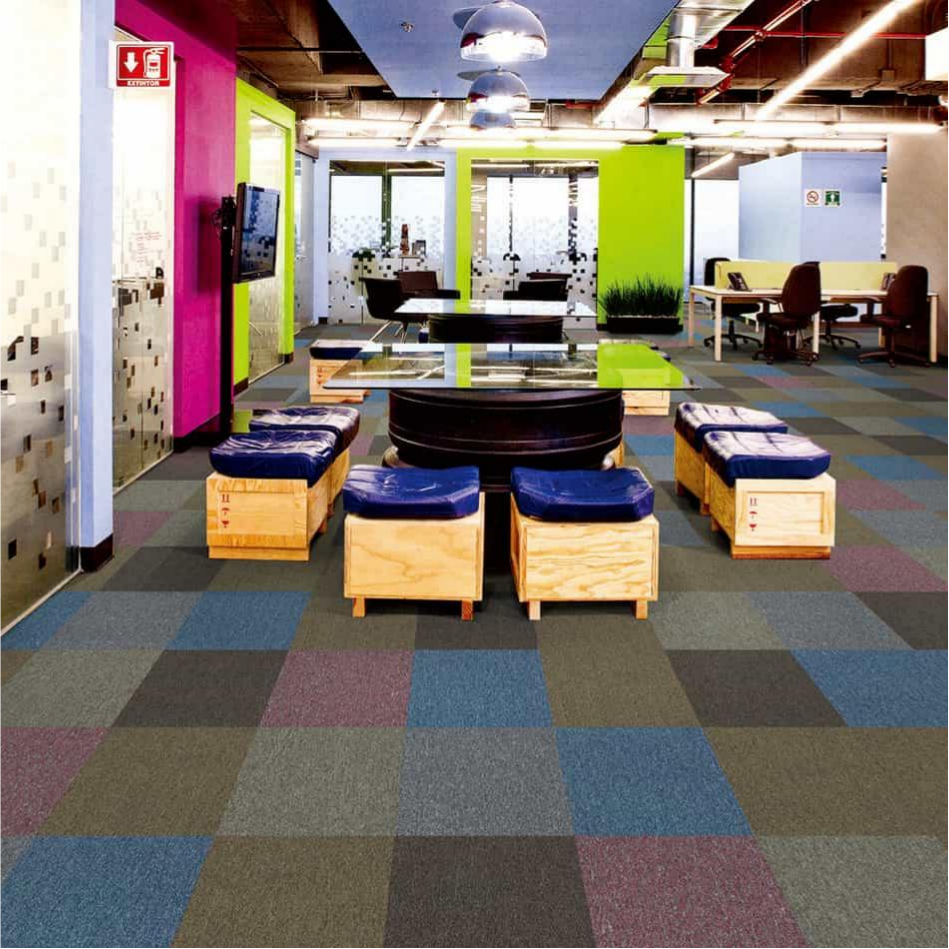
Carpet tiles are especially popular in modern offices.
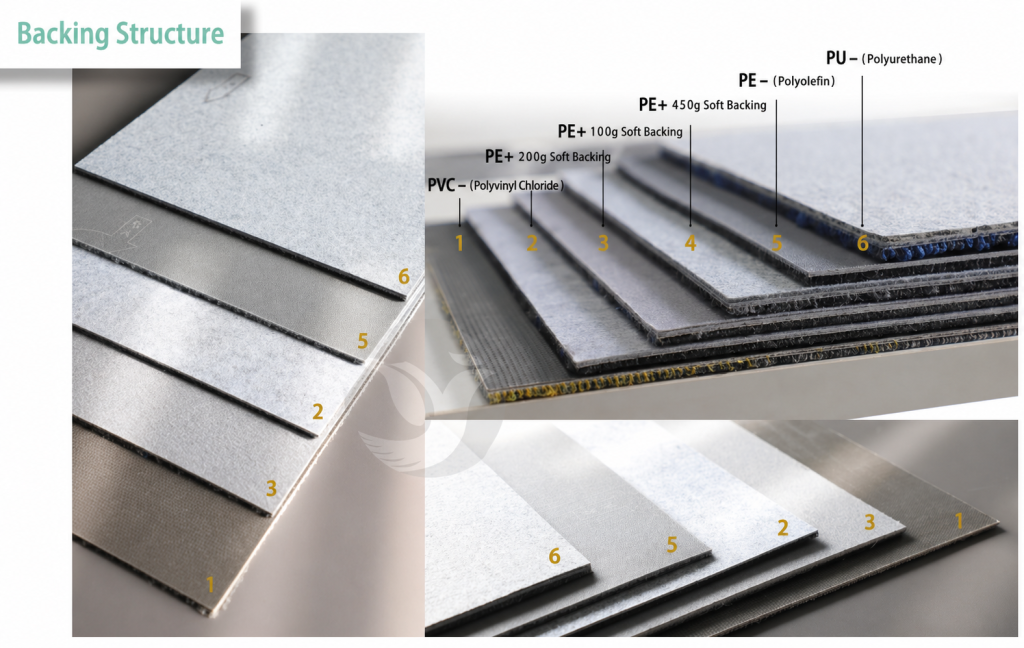
Carpet Backing Types
The carpet backing directly affects durability, comfort, odor, and installation performance.
Bitumen Backing
- Lower cost
- Common in budget carpet tiles
- May have noticeable odor
- Lower pile density compared to PVC backing
PE Backing
- More environmentally friendly
- Lower odor
- Lightweight and cost-effective
PVC Backing
PVC backing is one of the most popular options for commercial carpet tiles.
Advantages:
- Excellent wear resistance
- Longer service life
- Better anti-slip performance
- Higher loop pile density
- Suitable for high-traffic areas
Non-Woven Backing
- Softer texture
- Lightweight
- Often used in residential applications
Carpet Thickness Guide
Common carpet thickness options include:
- 5 mm
- 7 mm
- 9 mm
- Over 10 mm
Thicker carpets provide:
- Better comfort
- Improved sound insulation
- Reduced need for glue in some carpet tile installations
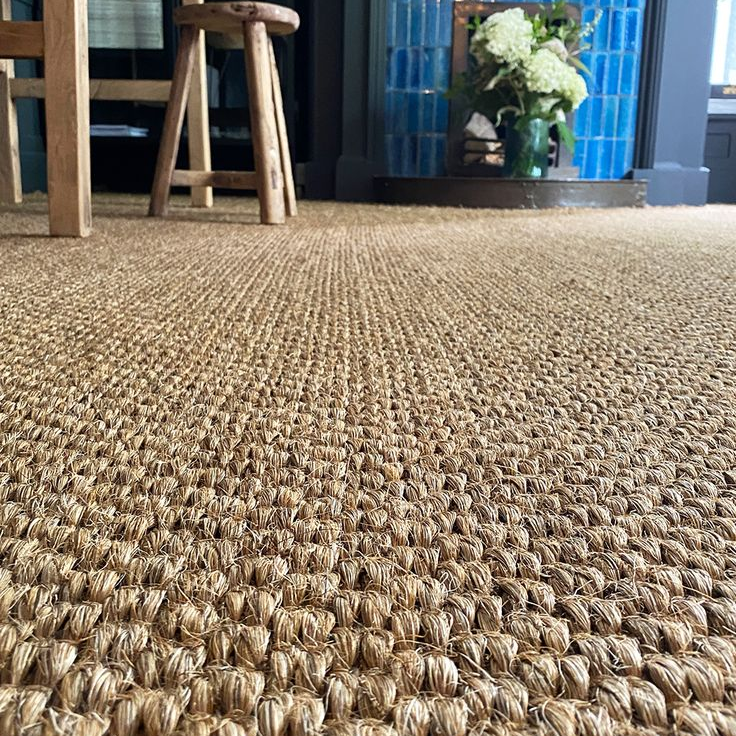
Carpet Surface Materials
Loop Pile Carpet
Loop pile carpets are durable and suitable for offices and commercial spaces.
Features:
- Strong wear resistance
- Modern appearance
- Easy maintenance
Cut Pile Carpet
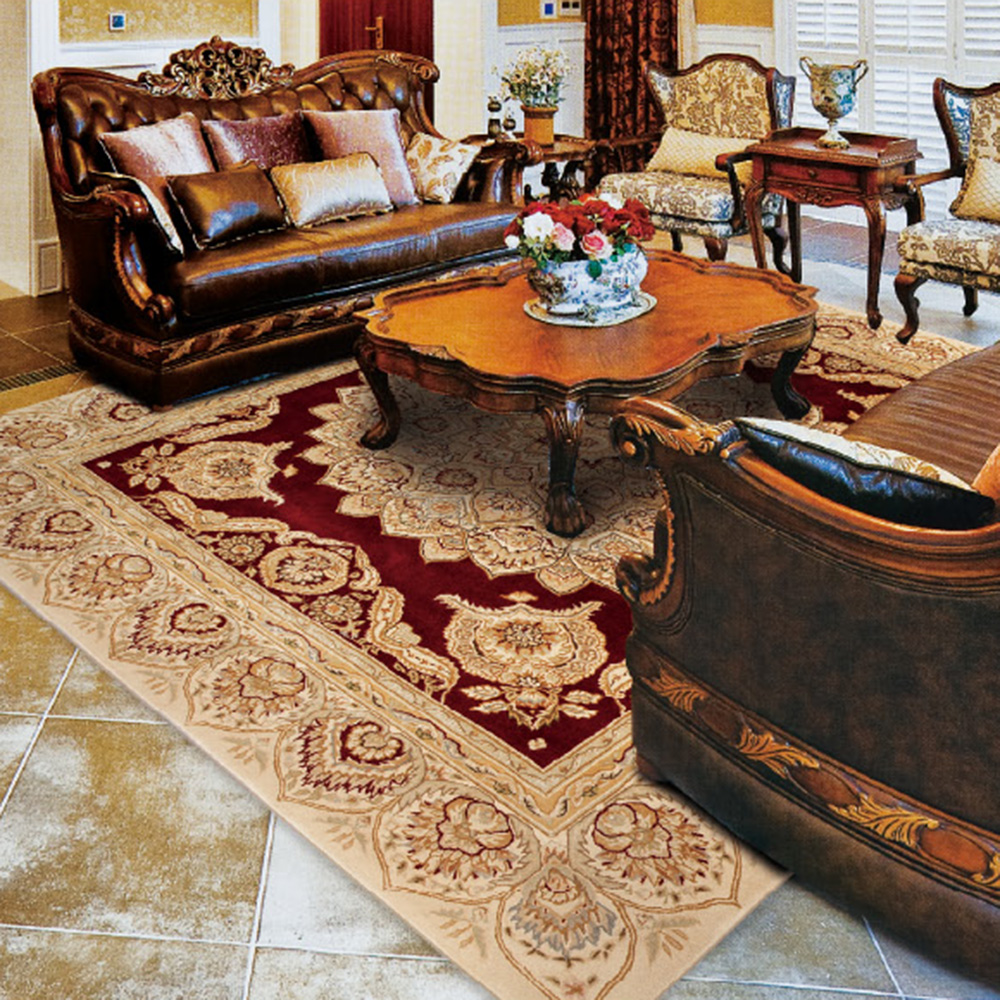
Cut pile carpets offer a softer and more luxurious feel.
Best for:
- Bedrooms
- Hotels
- Lounge areas
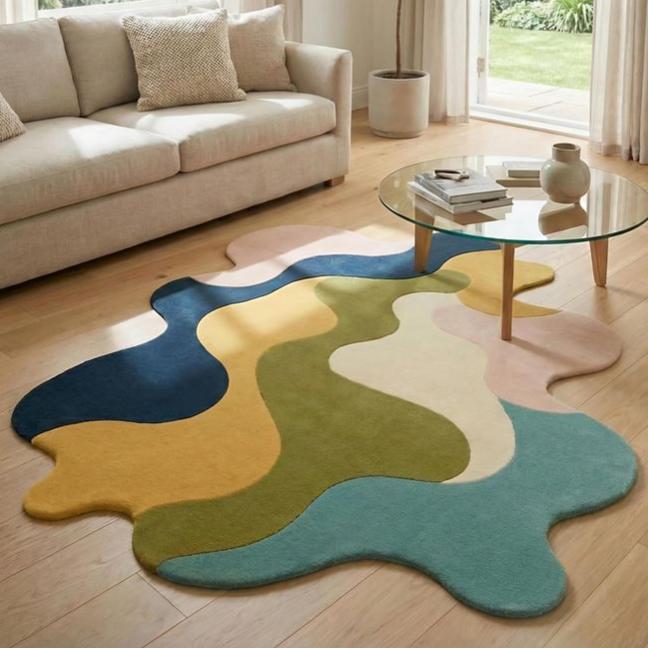
Choosing the Right Carpet Color
Color affects how large or comfortable a room feels.
Design Tips
- Solid colors may make rooms feel smaller
- Striped or directional patterns can visually expand space
- Dark colors create a professional atmosphere
- Light tones make interiors brighter and more open
For offices, neutral gray and blue carpet tiles remain the most popular choices.
Carpet Buying Tips
Avoid Extremely Cheap Carpets
Very low-cost carpets often:
- Have strong odors
- Use lower-quality backing
- Wear out quickly
Request Samples First
Before ordering large quantities:
- Test odor levels
- Check indentation from office chairs
- Compare colors under real lighting
Consider Overstock or Clearance Carpets
Online platforms sometimes offer:
- Factory overstock
- Clearance carpet tiles
- Used commercial carpet in good condition
This can significantly reduce project costs.
Carpet Installation Methods
Standard Installation Process
- Empty the room
- Clean the floor
- Install carpet
- Reinstall furniture
For offices with heavy furniture, carpet tiles can be cut around desks and cabinets.
Carpet Adhesive Options
Solvent-Based Glue
- Lower cost
- Strong smell
- Difficult removal later
Water-Based Adhesive
Recommended for most indoor projects:
- Eco-friendly
- Low odor
- Easier replacement
Adhesive Stickers for Carpet Tiles
Widely used in modular office carpet installations.
Underlay & Moisture Protection
If installing carpet on the ground floor, adding an underlay moisture barrier is highly recommended.
Benefits:
- Moisture protection
- Better insulation
- Improved comfort underfoot
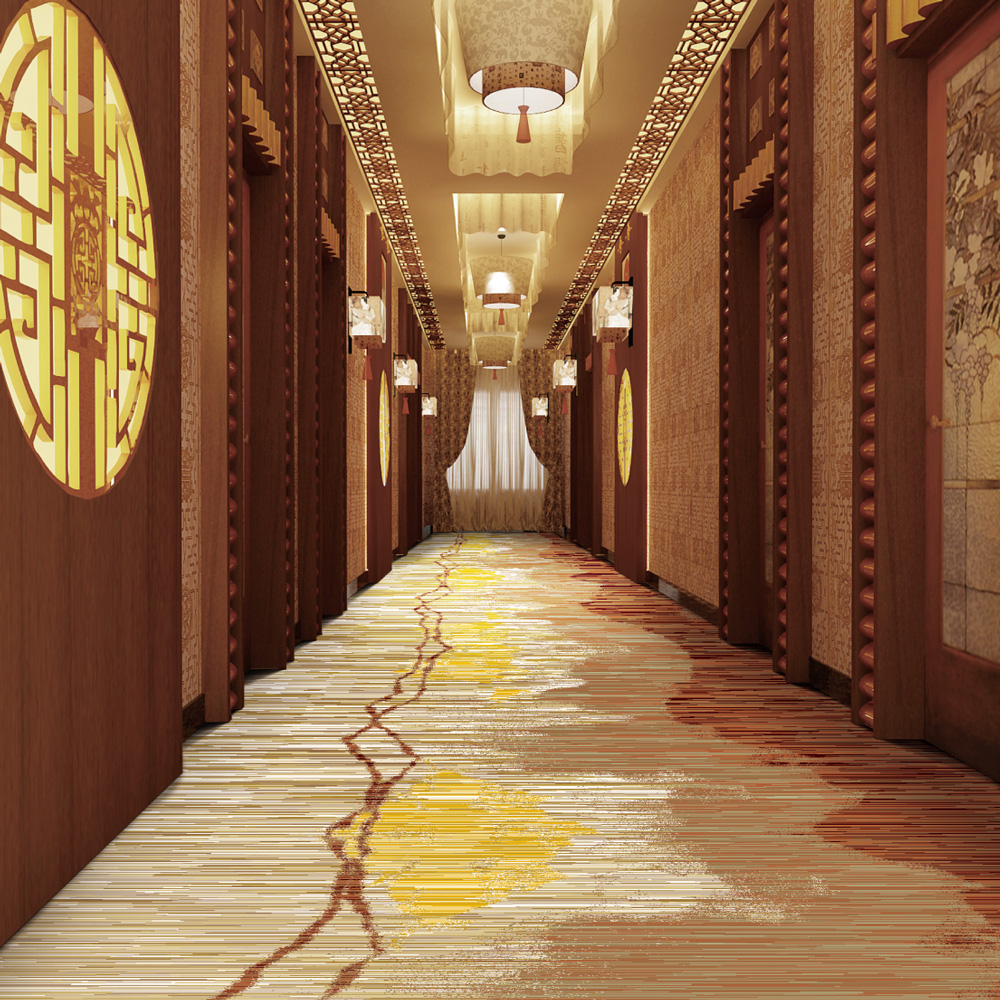
Wall-to-Wall Carpet Installation
Wall-to-wall carpets can be installed using:
Glue-Down Installation
- Carpet is stretched flat
- Adhesive applied underneath
- Excess edges trimmed
Tack Strip Installation
- Tack strips fixed around edges
- Carpet stretched using knee kicker tools
- No full-surface glue required
Important:
Carpet direction must remain consistent during installation to avoid visible shade differences.
Carpet Tile Installation Tips
- Keep all carpet tile arrows facing the same direction
- Use sharp heavy-duty knives for clean cutting
- Remove excess edge fibers to reduce visible seams
- Tiles can be installed around fixed furniture
Carpet Cleaning & Maintenance
Proper maintenance extends carpet lifespan significantly.
Recommended Cleaning Tools
- Cordless or wired vacuum cleaners
- Carpet cleaning machines
- Shoe covers or indoor slippers
Maintenance Tips
- Vacuum regularly
- Clean stains immediately
- Deep clean periodically for commercial spaces
Final Thoughts
Choosing the right carpet is about balancing:
- Durability
- Comfort
- Appearance
- Maintenance
- Budget
For modern offices, PVC-backed carpet tiles are one of the most practical and cost-effective solutions. For luxury interiors, wall-to-wall carpets create a seamless and elegant atmosphere.
Whether you are designing a corporate office, hotel, retail store, or home interior, investing in the right carpet can dramatically improve both functionality and visual appeal.