
Carpet Tile, Wall-to-Wall & Handmade Carpets: Complete Guide for Commercial Projects
When selecting carpets for offices, hotels, or residential spaces, understanding the differences between carpet tiles, wall-to-wall carpets, and handmade carpets is essential. Each type offers unique advantages in terms of design, performance, and installation, making them suitable for different applications.
This guide provides a clear overview of their features, materials, and installation key points—helping global buyers make informed decisions.
1. Carpet Types Overview
Carpet Tiles (Modular Carpets)
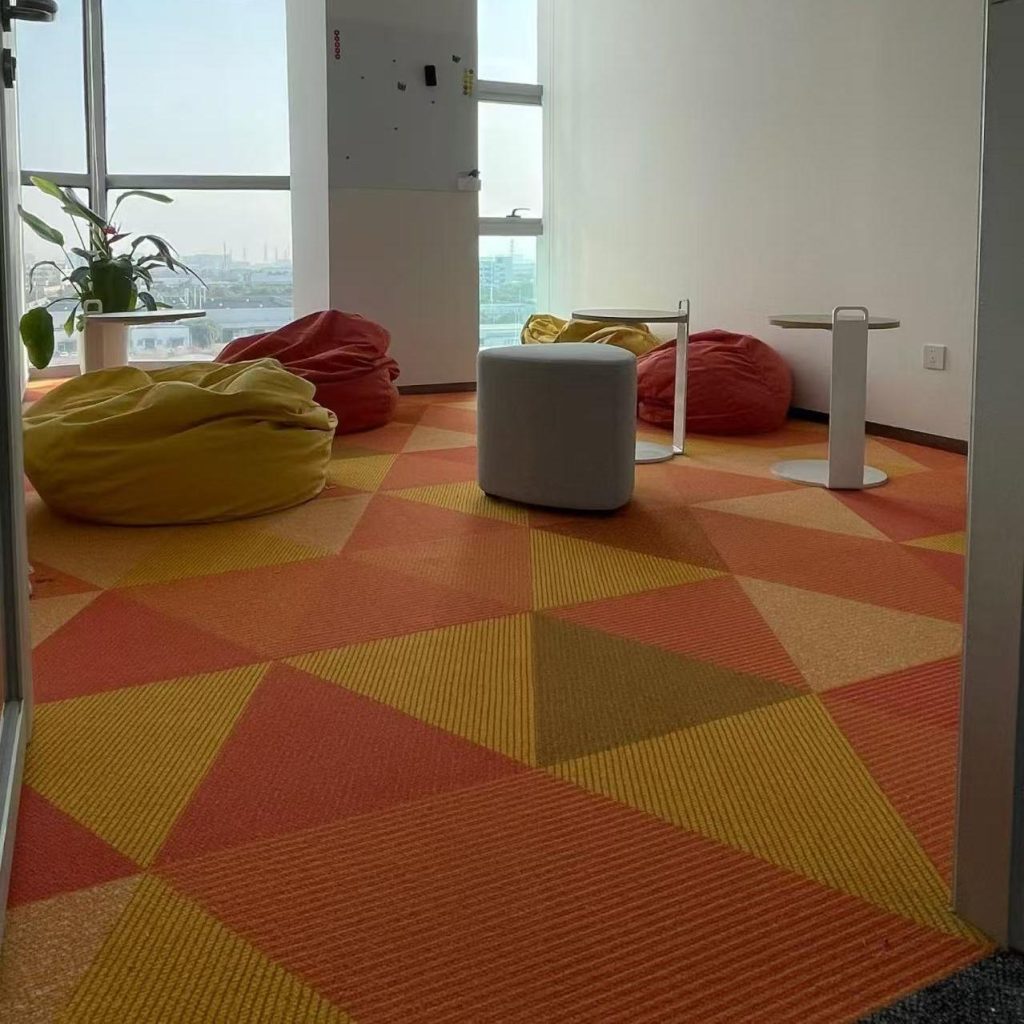
Carpet tiles, also known as modular carpets, are designed in standard sizes such as 50×50 cm or 60×60 cm. They are widely used in commercial environments like offices due to their flexibility and ease of installation.
Wall-to-Wall Carpets
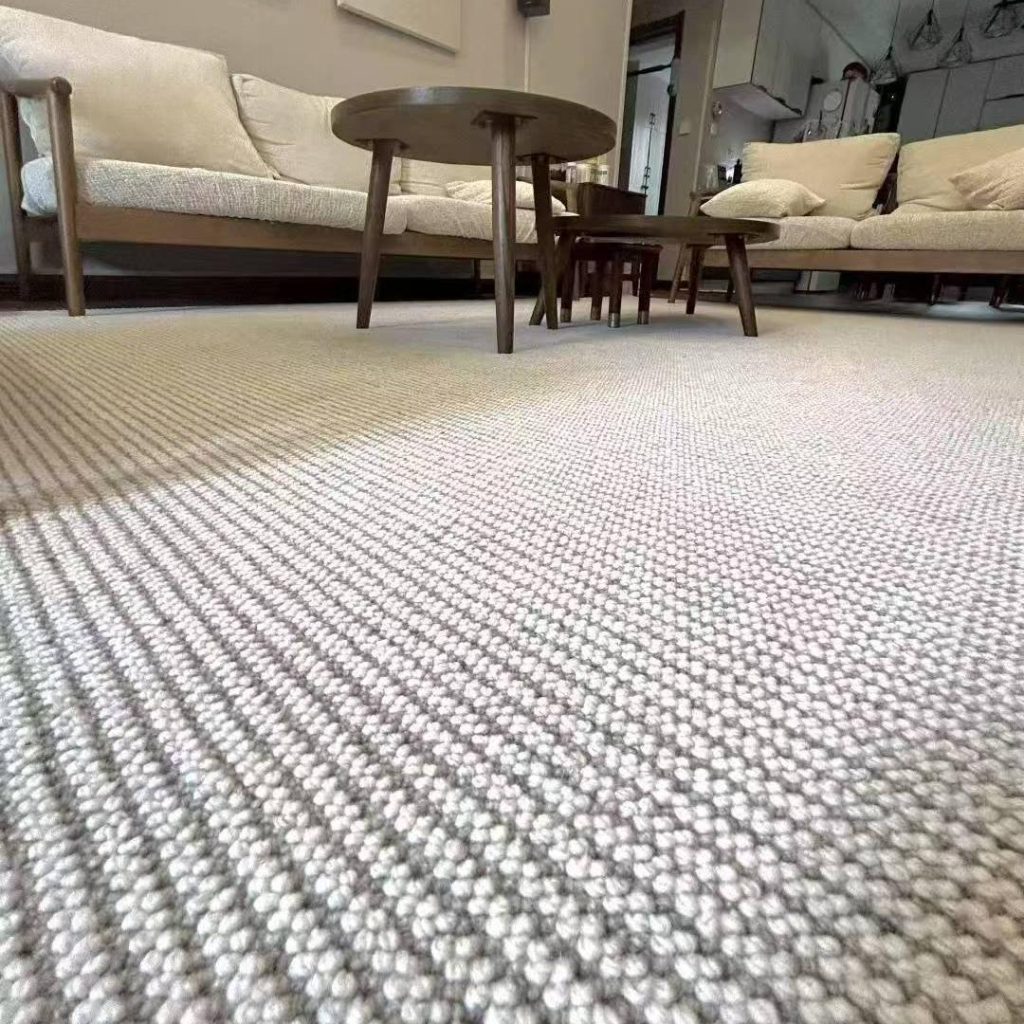
Wall-to-wall carpets cover the entire floor area from one wall to another. They can be installed using adhesive bonding or stretch-in methods with tack strips, ensuring a smooth and stable surface.
Handmade Carpets
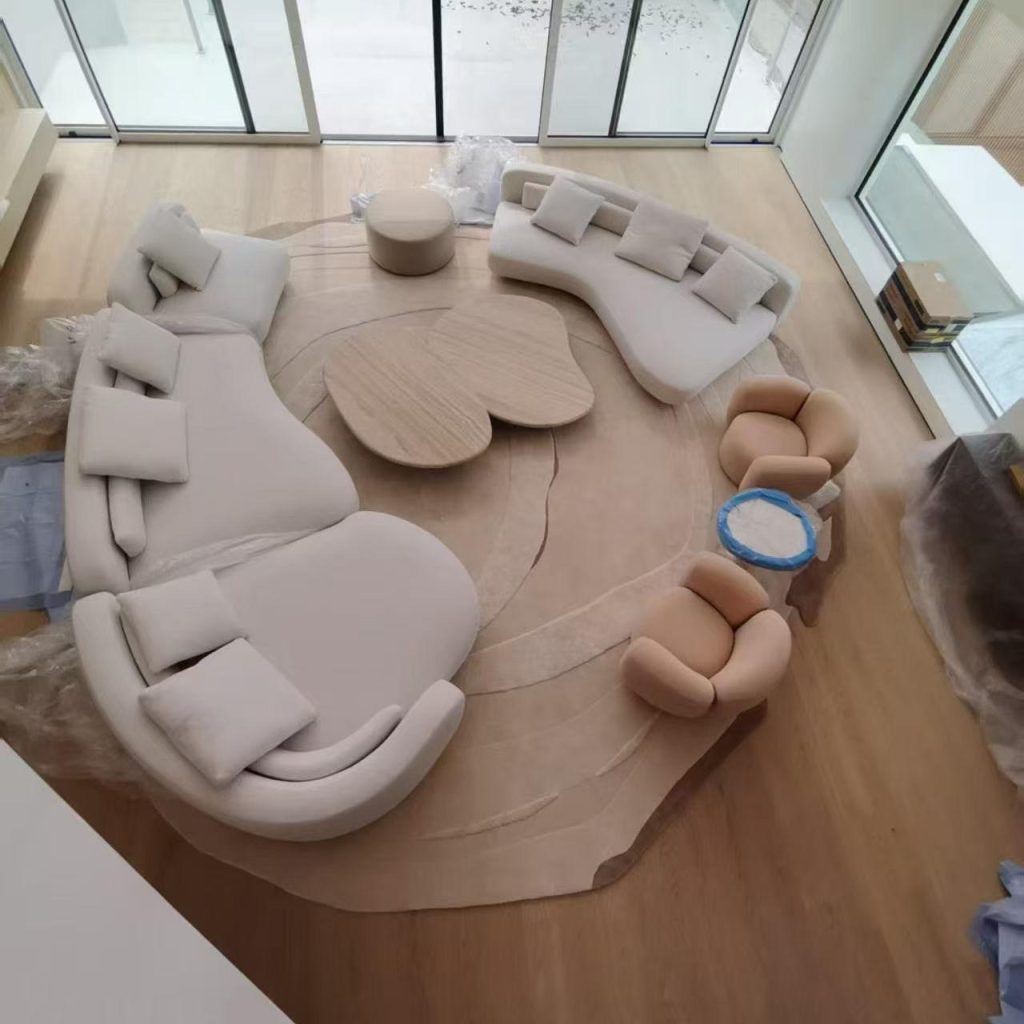
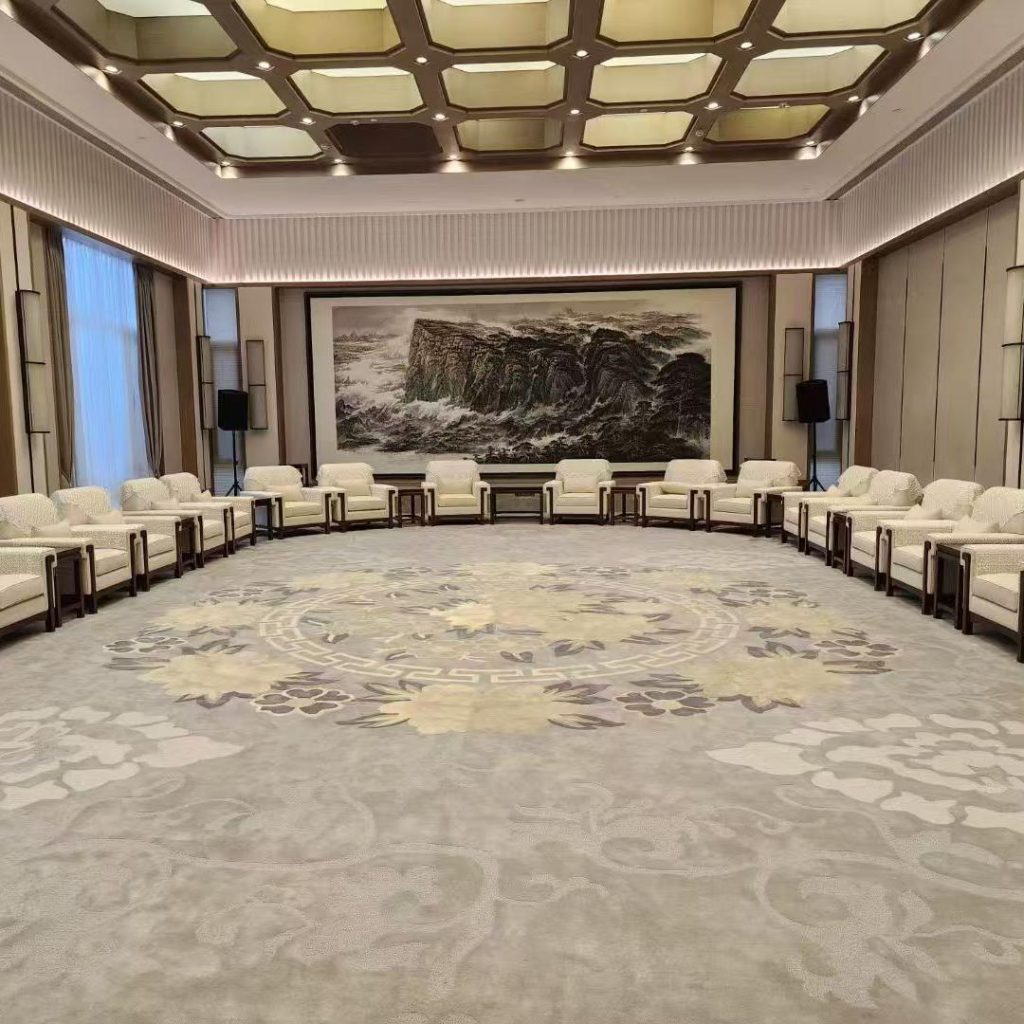
Handmade carpets include hand-knotted and hand-tufted types. Unlike machine-made carpets, they are crafted without size limitations and can achieve highly detailed artistic designs, often using natural materials like wool and silk.
2. Performance & Key Features
Carpet Tiles Advantages
- Flexible installation: Easy to transport, install, and replace
- Design freedom: Mix colors and patterns for customized layouts
- Easy maintenance: Replace only damaged tiles instead of the whole carpet
- High performance: Moisture-resistant, flame-retardant, anti-static, and dimensionally stable
These features make carpet tiles ideal for high-traffic commercial areas.
Wall-to-Wall Carpet Benefits
- Comfort & insulation: Provides warmth in winter and reduces energy loss in summer
- Noise reduction: Excellent sound absorption for quieter environments
- Air quality improvement: Fibers can trap dust and particles, reducing airborne pollutants
However, regular cleaning is essential to prevent dust accumulation over time.
Handmade Carpet Highlights
- Eco-friendly: Made from natural fibers without heavy chemical processing
- Artistic value: Unique designs, including Persian and modern styles
- Durability: High density and strong structure for long-term use
- Comfort: Soft, breathable, and skin-friendly
Handmade carpets are often considered premium products for luxury interiors.
3. Materials & Construction
Carpet Tiles Materials
- Fiber options: Polypropylene and nylon
- Backing types: PVC backing (mainstream), bitumen backing, or soft backing
- Soft backing advantages: Better elasticity, sound insulation, and eco-friendliness
Wall-to-Wall Carpet Categories
- Tufted carpet: Rich colors and 3D patterns, widely used in offices and hotels
- Wilton carpet: Dense structure, elegant surface, good insulation
- Axminster carpet: Complex patterns, excellent stability, ideal for public areas
Handmade Carpet Types
- Hand-knotted carpets: Traditional craftsmanship, also called Oriental carpets
- Hand-tufted carpets: Faster production with artistic flexibility
Patterns include Persian, geometric, and artistic designs.
4. Common Technical Parameters
- Fire rating: B1 standard
- Wear resistance: Approx. 5000 cycles for commercial use
- Carpet tile weight: 3–6 kg/m²
- Tile size: 50×50 cm, 60×60 cm, etc.
- Wall-to-wall width: 3.66 m or 4 m
- Pile weight: Typically 475–814 g/m²
Prices vary depending on material, density, and application requirements.
5. Design Considerations
- Color coordination: Carpets should complement furniture, not overpower it
- Consistency: Pay attention to pile direction to avoid color variation
- Certification: Choose products with safety and environmental certifications
- Raised floors: Match tile size with floor systems to avoid uneven surfaces
- Transitions: Use customized edge trims for a clean finish
6. Installation Key Points
Carpet Tiles Installation
- Subfloor must be flat, clean, and dry (moisture ≤ 8%)
- Plan layout carefully to avoid narrow edge cuts
- Follow arrow direction on backing for consistent appearance
- Ensure tight joints between tiles
- Cut edges precisely around walls and columns
- Use edge strips at doorways or open areas
Wall-to-Wall Carpet Installation Methods
Adhesive Method:
Measurement → Cutting → Glue application → Installation → Rolling → Cleaning
Stretch-in Method (Tack Strips):
- Install tack strips along walls
- Add underlay with staggered seams
- Stretch carpet evenly using tools
- Fix edges securely and trim excess
Proper installation ensures a smooth, durable, and professional finish.
7. Conclusion
Choosing the right carpet type depends on your project needs:
- Carpet tiles: Best for offices and flexible spaces
- Wall-to-wall carpets: Ideal for comfort and full coverage
- Handmade carpets: Perfect for luxury and artistic interiors
By understanding materials, performance, and installation requirements, buyers can select carpets that balance design, durability, and cost—ensuring long-term value for any project.
If you are sourcing carpets for global projects, working with an experienced supplier ensures not only product quality but also professional support from selection to installation.