
How to Choose the Right Office Carpet and Understand the Installation Process
When designing a modern office, flooring is one of the most important elements that influences both aesthetics and functionality. Among various flooring materials available today, office carpets remain one of the most popular choices for corporate spaces, commercial buildings, conference rooms, and coworking environments.
A well-selected office carpet not only enhances the appearance of the workspace but also improves employee comfort, safety, and productivity. In this guide, we’ll explore the key benefits of office carpets, how to choose the right carpet for your workspace, and the professional installation process that ensures long-lasting performance.
Why Are Carpets Popular in Office Spaces?
1. Excellent Sound Insulation
One of the biggest advantages of office carpets is their ability to absorb sound. Thanks to their dense fiber structure, carpets effectively reduce footstep noise, conversations, and office equipment sounds, creating a quieter and more productive working environment.
For open-plan offices and meeting rooms, carpet flooring can significantly improve acoustic comfort.
2. Improved Indoor Air Quality
Modern commercial carpets can help trap dust particles and airborne pollutants that would otherwise circulate throughout the office. Regular vacuuming removes these particles, helping maintain a cleaner indoor environment.
3. Enhanced Workplace Safety
Unlike hard flooring materials such as marble, ceramic tiles, or polished concrete, carpets provide a softer surface that reduces the risk of slips and falls. This makes them a practical flooring solution for offices with high daily foot traffic.
4. Aesthetic Appeal and Brand Image
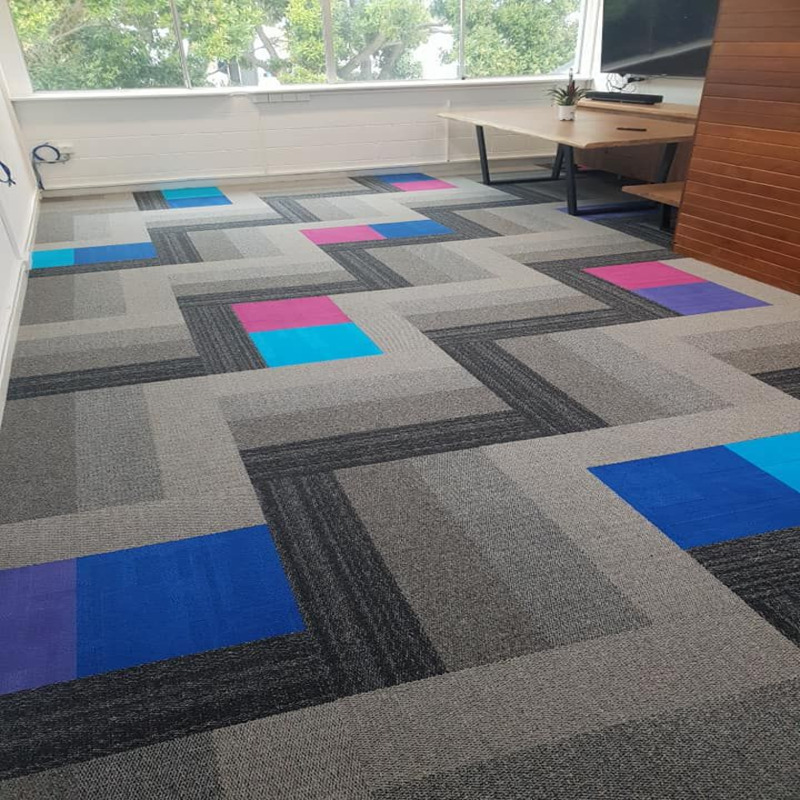
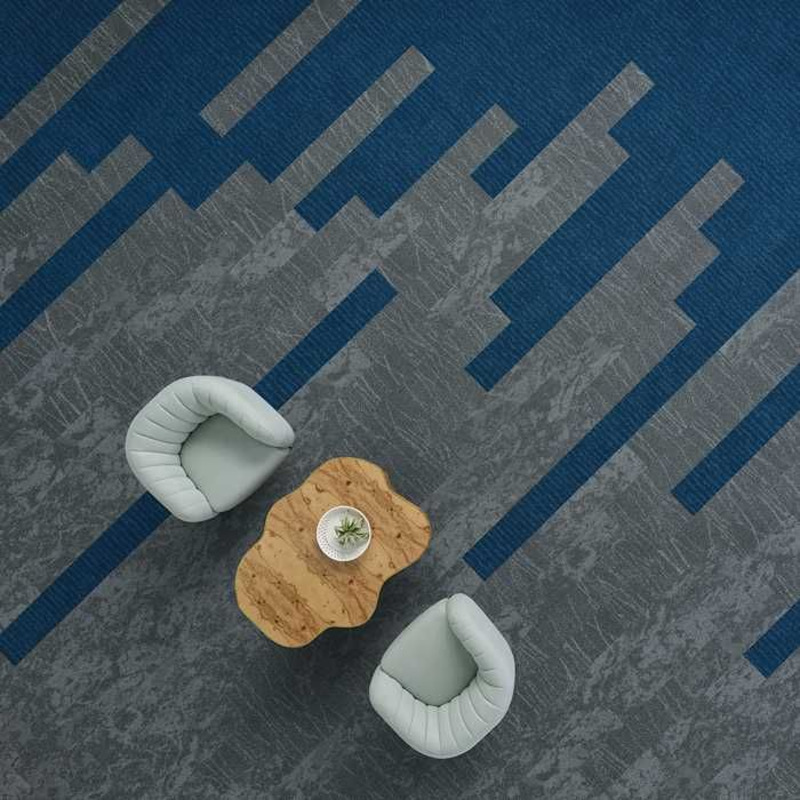
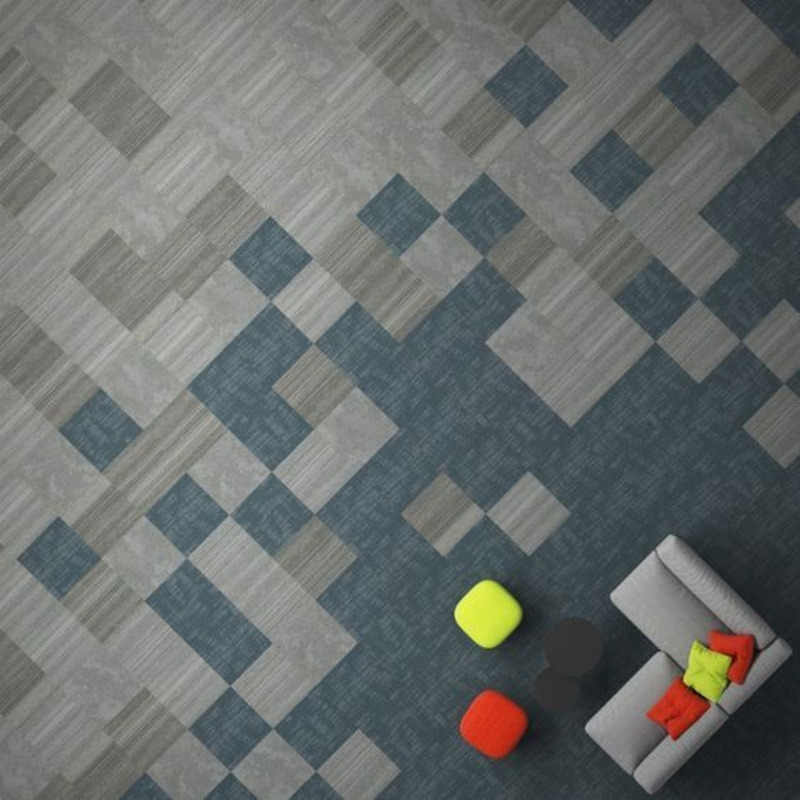
Office carpets are available in a wide range of colors, patterns, textures, and custom designs. Whether you want a professional corporate appearance or a creative and vibrant workspace, the right carpet can reinforce your company’s brand identity and create a welcoming atmosphere for clients and employees.
5. Environmentally Friendly and Comfortable
High-quality office carpets are manufactured to meet strict environmental standards and are designed to be low-emission products. In addition, carpets provide excellent underfoot comfort, making them ideal for employees who spend long hours in the office.
6. Better Thermal Insulation
Carpets help maintain indoor temperatures by providing an additional layer of insulation. Compared with tile or stone flooring, carpets feel warmer and more comfortable, especially during colder seasons.
How to Choose the Right Office Carpet
Selecting the ideal office carpet involves more than simply choosing a color. The carpet should complement the workspace design while meeting functional requirements.
Light Colors for Small Offices
Light-colored carpets such as beige, light gray, soft blue, or light green can make compact offices appear larger and more open. These colors create a sense of spaciousness and brightness.
Warm Colors for Low-Light Offices
Offices with limited natural light often benefit from warm carpet tones. Colors such as terracotta, brick red, warm brown, or soft orange can create a more inviting and comfortable environment.
Vibrant Colors for Creative Workspaces
For design studios, advertising agencies, and innovation-focused companies, brighter accent colors can help stimulate creativity and inspire employees. Strategic use of colorful carpet patterns can energize the workspace while maintaining professionalism.
Consider Traffic Levels
High-traffic office areas such as reception areas, hallways, conference rooms, and open workspaces should use durable commercial-grade carpets with excellent wear resistance and stain protection.
Professional Office Carpet Installation Methods
The quality of carpet installation is just as important as the carpet itself. Proper installation ensures a smooth appearance, longer service life, and better overall performance.
1. Tack Strip Installation Method
This traditional installation method typically includes:
- Subfloor preparation and cleaning
- Carpet measurement and cutting
- Tack strip installation
- Underlay placement
- Seam joining
- Carpet stretching
- Edge finishing
- Final inspection and cleaning
This method provides a secure fit and is commonly used for premium broadloom carpets.
2. Adhesive Installation Method
This installation process generally involves:
- Surface preparation
- Site measurement and layout planning
- Carpet cutting
- Adhesive application
- Proper drying time
- Carpet placement and rolling
- Cleaning and protection
Adhesive installation is widely used in commercial offices due to its efficiency and stability.
Key Carpet Installation Best Practices
To achieve a professional result, installers should follow these essential guidelines:
- Carefully measure the room and verify corner angles before cutting.
- Ensure all seams are properly aligned and nearly invisible.
- Allow adhesive to reach the correct tackiness before installation.
- Stretch and secure the carpet properly to prevent wrinkles and future deformation.
- Cut carpet along the warp direction whenever possible to maintain edge integrity.
Important Precautions After Installation
To maximize carpet performance and longevity:
- Avoid heavy foot traffic on newly glued carpets for at least 24 hours.
- Ensure the subfloor is clean, dry, and level before installation.
- Verify that the floor moisture content meets industry standards.
- Accurately measure materials to reduce waste and control project costs.
- Perform regular maintenance and cleaning to extend carpet lifespan.
Common Applications of Commercial Carpets
Office carpets are widely used in:
- Corporate offices
- Business centers
- Hotels and hospitality projects
- Conference and meeting rooms
- Educational facilities
- Exhibition halls
- Entertainment venues
- Transportation interiors
Their ability to reduce noise, improve comfort, enhance safety, and elevate interior design makes them one of the most versatile flooring solutions available.
Conclusion
Choosing the right office carpet is an investment in workplace comfort, aesthetics, and productivity. From improving acoustics and air quality to strengthening brand image and employee satisfaction, commercial carpets offer numerous advantages for modern office environments.
Equally important is professional installation, which ensures the carpet performs as intended for years to come. Whether you’re designing a corporate headquarters, coworking space, or commercial office project, selecting a high-quality carpet and working with an experienced carpet manufacturer can help create a workspace that is both functional and visually impressive.