
When you walk into a luxury hotel, you may notice the soft carpet beneath your feet. But comfort is only one reason why high-end hotels choose carpet flooring. From noise reduction and safety to interior design and brand identity, carpets play an important role in creating a premium guest experience.
For hotel owners, architects, and interior designers, understanding these benefits can help them make smarter flooring decisions.
1. Comfort: Creating a Home-Like Experience
One of the biggest advantages of hotel carpets is their comfortable texture. Compared with hard flooring, carpets provide a softer surface that helps reduce foot fatigue, especially when guests walk barefoot or wear slippers.
In guest rooms, carpets create a warm, relaxing atmosphere that makes guests feel more at home. Combined with suitable underlay, they can also improve cushioning and enhance the overall experience.
For luxury hotels, guest comfort is not simply an extra feature. It is an essential part of hospitality.
2. Visual Appeal: Enhancing Luxury and Elegance
Carpets can transform an ordinary interior into an elegant, inviting space.
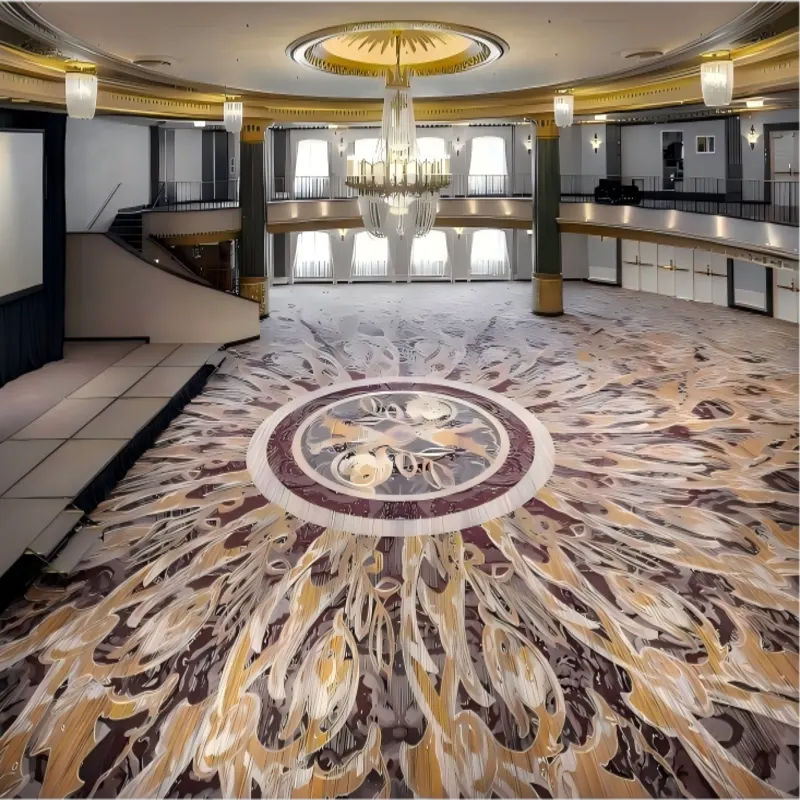
Through carefully selected colors, patterns, and textures, hotel carpets add depth and character to interior design. Warm tones create a welcoming atmosphere, while intricate patterns can bring sophistication and grandeur to large public areas.
For example:
- Hotel lobbies: Large, elegant patterns create a strong first impression.
- Guest rooms: Subtle designs promote relaxation.
- Banquet halls: Customized patterns complement chandeliers and luxurious furnishings.
- Corridors: Coordinated colors create a consistent visual experience.
With custom-designed hotel carpets, hotels can match their flooring to their architectural style and brand positioning.
3. Noise Reduction: Creating a Quieter Environment
Noise control is another important reason luxury hotels use carpets.
Carpet fibers absorb sound and reduce the reflection of noise from hard surfaces. This helps minimize footsteps, luggage movement, and other everyday sounds in busy corridors and guest rooms.
In multi-story hotels, carpet systems with suitable underlay can also help reduce impact noise transmitted through floors.
A quieter environment improves guest comfort, particularly in bedrooms, hallways, and conference areas where noise can affect sleep, concentration, and privacy.
4. Safety: Reducing Slips and Protecting Belongings
Safety is essential in hospitality environments.
Compared with many hard flooring surfaces, properly installed carpet can provide better traction and cushioning. This may help reduce the risk of slips and soften the impact of accidental falls.
Carpets can also help protect dropped items, such as phones and small accessories, from damage.
However, safety depends on the carpet construction, backing, installation quality, and maintenance. Secure edges and suitable flooring specifications are particularly important in high-traffic areas.
5. Customization: Strengthening Hotel Brand Identity
Hotel carpets offer extensive customization opportunities.
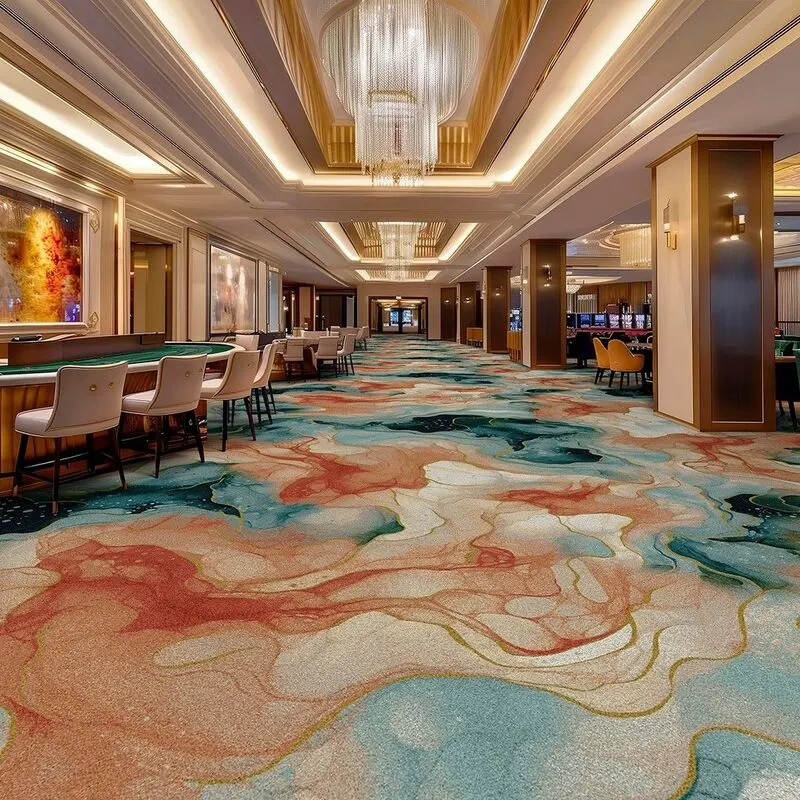
Manufacturers can create designs featuring brand colors, logos, geometric patterns, or cultural elements that reflect a hotel’s identity.
Different carpet designs can also help distinguish functional areas and guide guests through the property.
For example, a luxury hotel might choose a distinctive Axminster carpet for its lobby and banquet hall, then use coordinated patterns in guest corridors.
This combination of functionality and design helps create a memorable, consistent brand experience.
6. Tradition: A Long-Standing Symbol of Luxury
Carpets have long been associated with prestigious hotels, elegant interiors, and premium hospitality.
Over time, guests have come to associate well-designed carpet flooring with comfort, quietness, and a sense of luxury. Although hotel design trends continue to evolve, carpets remain a popular choice for properties seeking a refined atmosphere.
Modern hotels may combine carpets with wood, stone, or other hard flooring materials to balance aesthetics, maintenance, and performance.
Are Hotel Carpets Always the Best Choice?
Despite their advantages, carpets also present challenges. They require regular vacuuming, periodic deep cleaning, and appropriate stain management. Poor maintenance can lead to unpleasant odors and hygiene concerns.
Some modern hotels therefore prefer hard flooring in selected areas, adding rugs or carpet zones where comfort and sound absorption are priorities.
The best solution depends on the hotel’s design concept, budget, traffic levels, and maintenance capabilities.
Conclusion: More Than Just Flooring
Luxury hotels use carpets because they combine comfort, visual appeal, sound absorption, safety, and design flexibility in one flooring solution.
For hotel developers and purchasing teams, selecting the right carpet means considering both appearance and long-term performance.
Choosing the right commercial carpet can help create a quieter, more comfortable, and more memorable hotel experience. From durable nylon carpets to premium Wilton and Axminster designs, the ideal solution should match the hotel’s positioning, functional requirements, and budget.