
Machine-Made vs Handmade Carpets: How to Tell the Difference
When sourcing carpets for commercial projects or retail markets, one of the most important distinctions is between machine-made carpets and handmade carpets. While both have their place in the market, their quality, durability, and value differ significantly.
Understanding how to identify these two types will help buyers, designers, and importers make smarter purchasing decisions.
1. What Is a Machine-Made Carpet?
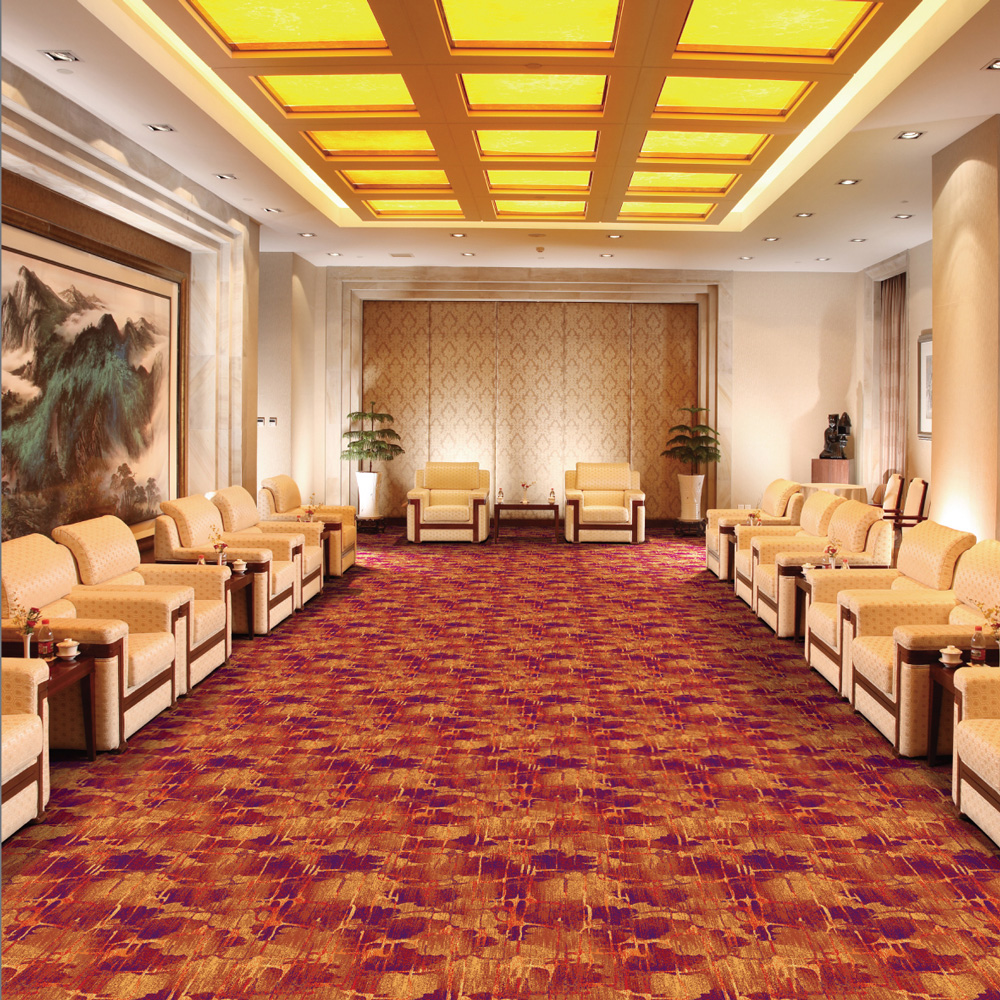
Machine-made carpets are produced using automated weaving or tufting machines. They are widely used due to their affordability and consistent production.
Key Characteristics of Machine-Made Carpets
1. Less Detailed Patterns
Compared to handmade carpets, machine-made designs are generally less intricate. While modern technology allows for complex patterns, they often lack the fine artistic detail of handwoven pieces.
2. Backing Appearance
The back of a machine-made carpet usually has no visible pattern. Most feature a grey or fabric backing layer.
3. Adhesive Usage
Machine-made carpets typically use glue to bond the backing and fibers. This may result in a noticeable adhesive smell and affects long-term durability.
4. Repetitive Designs
Since they are mass-produced, identical patterns are manufactured in large quantities—sometimes hundreds or thousands of pieces.
5. Limited Flexibility
Due to the glued backing, machine-made carpets can usually be rolled but not folded. Folding may damage the backing and cause fiber shedding.
2. What Is a Handmade Carpet?
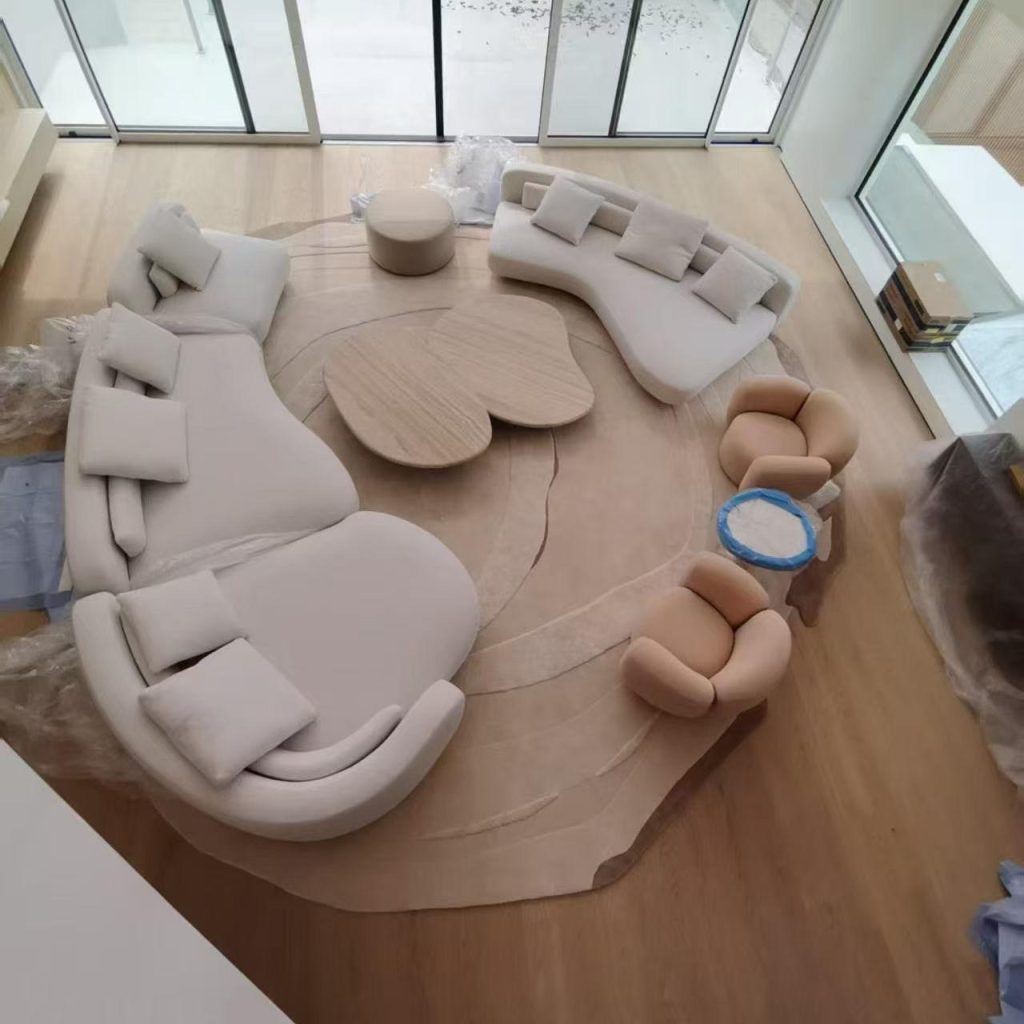
Handmade carpets are crafted by skilled artisans using traditional techniques such as hand-knotting or hand-weaving. They are considered premium products with high artistic and functional value.
Key Characteristics of Handmade Carpets
1. Highly Detailed Patterns
Handmade carpets offer exceptional detail and color richness. It is common for a single carpet to include dozens or even hundreds of color variations.
2. Identical Front and Back Patterns
One of the easiest ways to identify a handmade carpet is by checking the back. The pattern is clearly visible and mirrors the front. In high-density carpets, the back can appear even more refined.
3. No Glue Used
Handmade carpets are constructed through knotting techniques without adhesives, making them more natural and environmentally friendly.
4. Unique Designs
Each handmade carpet is unique. Even when based on the same design, slight variations occur due to the manual process.
5. Flexible Handling
Handmade carpets can be both rolled and folded without damage, making them easier to store and transport.
6. Long Lifespan
High-quality handmade carpets can last for decades—or even over a century—while maintaining their structure and beauty.
3. Key Differences at a Glance
| Feature | Machine-Made Carpet | Handmade Carpet |
|---|---|---|
| Pattern Detail | Moderate | Highly intricate |
| Backing | Fabric/grey backing | Visible pattern |
| Glue | Yes | No |
| Design Repetition | Mass-produced | Unique |
| Flexibility | Roll only | Roll & fold |
| Lifespan | Medium | Long-lasting |
4. Which One Should You Choose?
The choice depends on your project requirements:
- Machine-made carpets are ideal for cost-sensitive projects, large-scale installations, and high turnover environments such as offices or rental spaces.
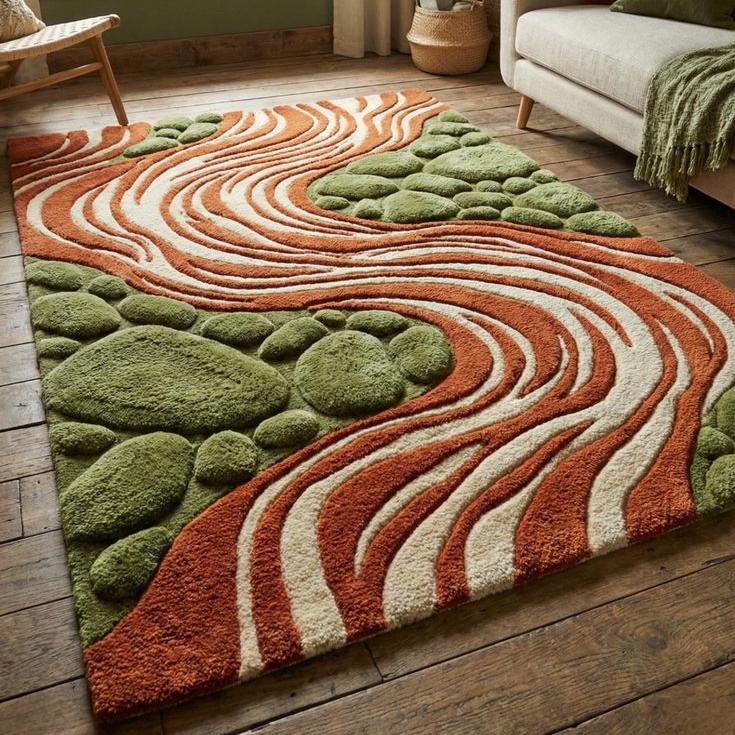
- Handmade carpets are perfect for luxury interiors, boutique hotels, and high-end residential projects where uniqueness and quality are key.
Conclusion
Both machine-made and handmade carpets serve different market needs. Machine-made carpets offer affordability and efficiency, while handmade carpets deliver craftsmanship, durability, and exclusivity.
For global buyers and project developers, understanding these differences ensures better product selection and stronger market competitiveness.
Choosing the right supplier can further enhance your success—providing not only quality carpets but also professional guidance tailored to your business and project goals.