
How to Identify the Quality of a Handmade Carpet: A Complete Buyer’s Guide
Handmade carpets are more than just floor coverings; they are works of art that enhance interior aesthetics, improve walking comfort, and create a luxurious atmosphere. Whether used in luxury hotels, villas, offices, prayer spaces, or high-end residential projects, a high-quality handmade carpet can add long-lasting value to any space.
However, with many different types of handmade carpets available on the market, how can buyers identify the real quality? The material, craftsmanship, pattern design, and finishing details are the key factors to consider.
1. Check the Carpet Material Quality
The material is one of the most important factors determining the quality and value of a handmade carpet.
Premium handmade carpets are commonly made from high-quality materials such as:
- Natural wool: Soft, durable, elastic, and naturally resistant to wear.
- Nylon fiber: Strong, resilient, and suitable for commercial applications requiring high durability.
- Silk or blended fibers: Often used in luxury handmade carpets for elegant appearance and fine texture.
High-quality materials provide better softness, color retention, and service life. When touching a premium handmade carpet, the surface should feel comfortable, dense, and flexible rather than rough or loose.
A low-quality handmade carpet may use inferior fibers, resulting in poor elasticity, uneven texture, and faster wear over time.
2. Evaluate the Handmade Carpet Production Process
The craftsmanship directly reflects the value of a handmade carpet. Different manufacturing methods create different levels of quality.
Generally, handmade carpets can be divided into:
Hand Tufted Carpet
Hand tufted carpets are created by inserting yarn into a backing fabric using a hand-operated tufting tool. This method allows flexible designs, faster production, and customized patterns. It is widely used for modern hotel carpets, villa rugs, and decorative carpets.
Hand Knotted Carpet
Hand knotted carpets represent a higher level of craftsmanship. Each yarn knot is individually tied by skilled artisans, making the production process more time-consuming but creating exceptional durability and artistic value.
Compared with hand tufted carpets, hand knotted carpets usually offer:
- Higher density
- More detailed patterns
- Longer lifespan
- Greater collectible value
Therefore, the production technique is an important indicator when judging handmade carpet quality.
3. Examine the Carpet Pattern and Design Details
The design of a handmade carpet is not only about appearance but also reflects craftsmanship and artistic value.
A premium handmade carpet should have:
- Clear and balanced patterns
- Accurate color matching
- Smooth transitions between colors
- Strong artistic expression
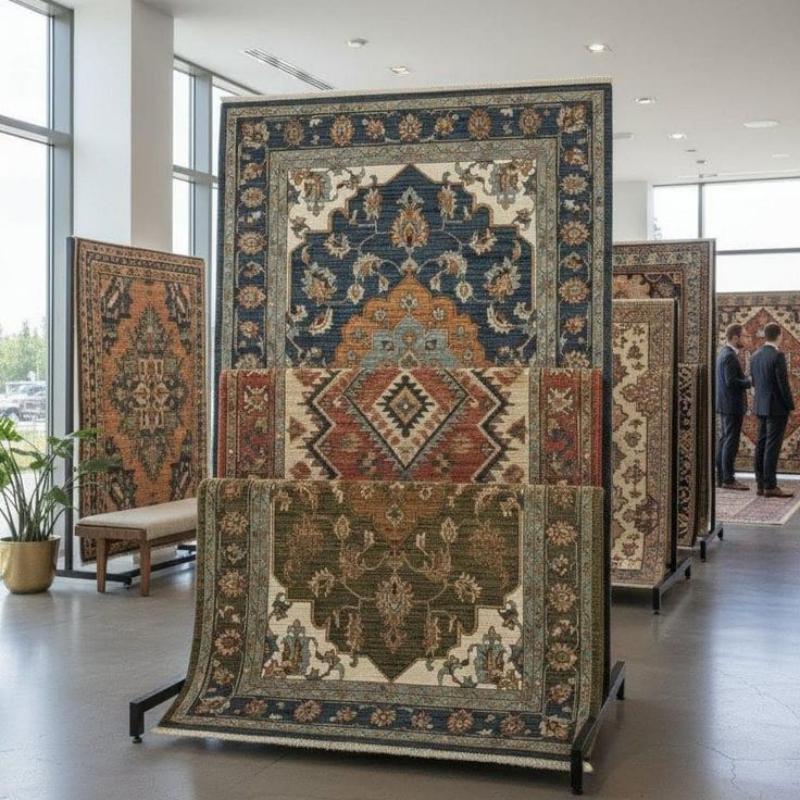
Traditional handmade carpets often contain meaningful patterns inspired by culture, nature, or historical elements. More complex designs usually require higher craftsmanship and longer production time.
When checking a handmade carpet, buyers should also look at the back side. A well-made carpet normally shows a clear connection between the front pattern and the weaving structure.
4. Check Density, Thickness, and Finishing Quality
Besides material and design, the physical details of the carpet also determine its quality.
A high-quality handmade carpet should have:
- Even pile height
- Dense yarn structure
- Smooth surface
- Strong backing
- No loose threads or uneven areas
Pressing the carpet surface by hand can help evaluate resilience. A premium carpet should quickly return to its original shape after pressure.
After installation, a quality handmade carpet should maintain a flat surface, beautiful appearance, and comfortable walking experience.
5. Consider Application and Customization Needs
The best handmade carpet is not always the most expensive one. The right choice depends on where and how it will be used.
For example:
- Luxury hotels may prefer customized wool handmade carpets with elegant patterns.
- Residential spaces may focus on softness and decorative appeal.
- Commercial projects may require durable materials and easy maintenance.
Professional handmade carpet manufacturers can provide customized sizes, colors, patterns, and materials according to project requirements.
Why Choose a High-Quality Handmade Carpet?
A handmade carpet combines craftsmanship, beauty, and functionality. Unlike ordinary machine-made carpets, handmade carpets provide unique textures, personalized designs, and a premium atmosphere.
For buyers searching for long-term flooring solutions, choosing a reliable manufacturer and understanding quality standards are essential steps. By evaluating material, craftsmanship, pattern, and finishing details, you can confidently select a handmade carpet that delivers both visual beauty and lasting performance.