
Love Handmade Carpets but Afraid to Buy One?
Read This Guide and Become a Carpet Expert
Handmade carpets are among the most beloved interior design elements in the world.
They bring warmth, texture, and personality to every space — from entrance halls and living rooms to bedrooms, dining areas, staircases, and even boutique commercial interiors.
Yet many buyers hesitate.
Is a handmade carpet worth the price?
How do you tell quality from marketing hype?
This guide shares 12 essential facts about handmade carpets that will help you make a confident, informed decision — whether you are buying for a home interior or an engineering carpet project.
As an experienced manufacturer, Liaoning Taiyi Carpet works closely with designers, developers, and contractors worldwide, combining traditional craftsmanship with modern engineering carpet standards.
1. Handmade Carpets Are One of Humanity’s Oldest Crafts
The exact date of the first handmade carpet is unknown, but historians believe woven floor coverings appeared as early as 7000 BC.
Nomadic tribes originally wove carpets to protect themselves from harsh climates — a tradition that evolved into an art form still respected today.
2. The Oldest Surviving Handmade Carpet Is Over 2,000 Years Old
The world’s oldest known handmade carpet, the Pazyryk Carpet, dates back more than two millennia.
Discovered in 1947 in a Siberian burial site, it remains remarkably well preserved — a powerful testament to the durability of true hand-knotted carpets.
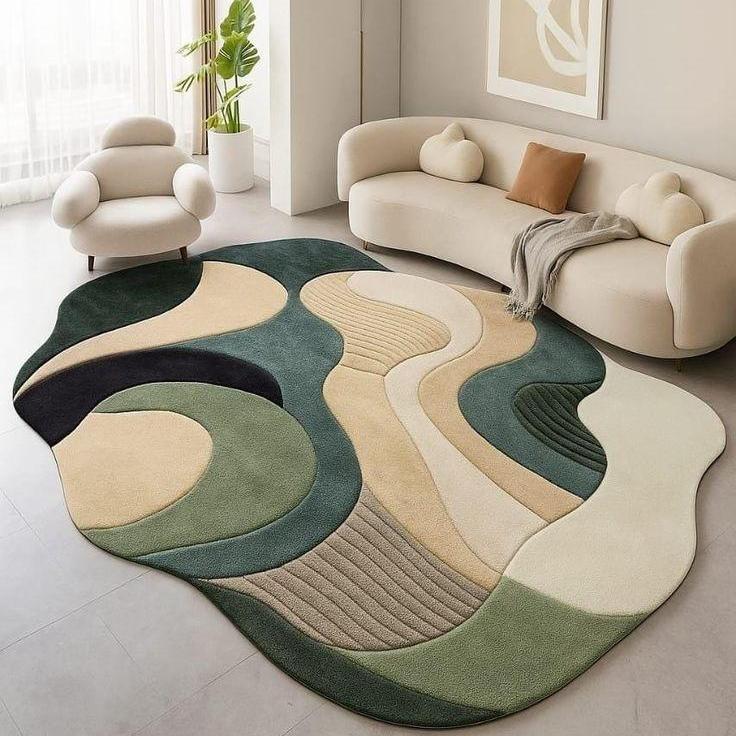
3. The World’s Largest Handmade Carpet Is an Engineering Marvel
The largest handmade carpet in the world was designed by Ali Khaliqi and produced in Iran.
Covering over 5,600 square meters, it required more than 1,200 skilled weavers and now lies in the main prayer hall of the Sheikh Zayed Grand Mosque.
This scale demonstrates why handmade craftsmanship is still relevant in large engineering carpet projects today.
4. The Most Expensive Handmade Carpet Ever Sold
In 2013, a Persian vase-pattern carpet sold at Christie’s for USD 33.8 million, setting a world record.
Exceptional materials, design, and craftsmanship transform handmade carpets into long-term assets.
5. Wool Carpets Offer the Best Value for Money
Among all handmade carpets, wool carpets are widely considered the most cost-effective choice.
They are soft, durable, naturally stain-resistant, easy to maintain, and suitable for both residential and engineering carpet applications.
Once you experience a genuine handmade wool carpet, it is difficult to accept alternatives.
6. Handmade Carpets Entered Europe in the 3rd Century BC
Handmade carpets were introduced to Europe when Alexander the Great brought a woven carpet back from Persia.
European royalty quickly embraced them, making carpets symbols of status and refined taste — a legacy that continues in luxury hotels and public buildings today.

7. Most Oriental Carpets Are Named After Their Origin
Many carpets are named after their place of production — such as Tabriz, Kerman, Nain, or Hereke.
Each region has unique patterns, weaving density, and cultural symbolism, which directly influence performance and aesthetics in engineering carpet projects.
8. Area Rugs Are More Practical Than Wall-to-Wall Carpets for Homes
While wall-to-wall carpets are ideal for hotels, offices, and large commercial spaces, area rugs are often more practical for residential use.
They are easier to clean, move, and replace — offering flexibility without sacrificing beauty.
9. Persian Carpets Are a Subcategory of Oriental Carpets
Persian carpets come exclusively from Iran.
Oriental carpets, however, include handmade carpets from China, Iran, Turkey, India, Nepal, Pakistan, and other Asian regions — including modern engineering carpet solutions produced in China.
10. Slight Irregularities Are a Sign of Authenticity
Perfect symmetry usually indicates machine production.
Subtle irregularities in handmade carpets reflect human craftsmanship and are considered part of their charm — especially valued by designers seeking character and depth.

11. Handmade Carpets Increase in Value Over Time
Unlike mass-produced flooring, handmade carpets can appreciate with age.
Properly maintained carpets often become heirloom pieces, making them a smart long-term investment for both homes and premium engineering projects.
12. Every Carpet Pattern Has a Meaning
Handmade carpet designs are deeply symbolic.
For example, the Tree of Life motif represents vitality and eternity, with different interpretations across cultures and religions.
Every pattern tells a story — turning a carpet into more than just a floor covering.
Why Choose Liaoning Taiyi Carpet?
Liaoning Taiyi Carpet combines traditional hand-knotting techniques with modern engineering carpet standards, serving:
- Luxury hotels & resorts
- Commercial buildings & offices
- Public facilities & cultural venues
- High-end residential projects
We offer:
- Handmade wool & silk carpets
- Custom engineering carpet solutions
- Project-ready specifications
- Stable quality & international export experience
Ready to Choose the Right Handmade or Engineering Carpet?
If you’re considering a handmade carpet but unsure where to start, Liaoning Taiyi Carpet is here to help — from material selection to project execution.
👉 Contact us today to discuss your project requirements and receive professional guidance from a trusted engineering carpet manufacturer.