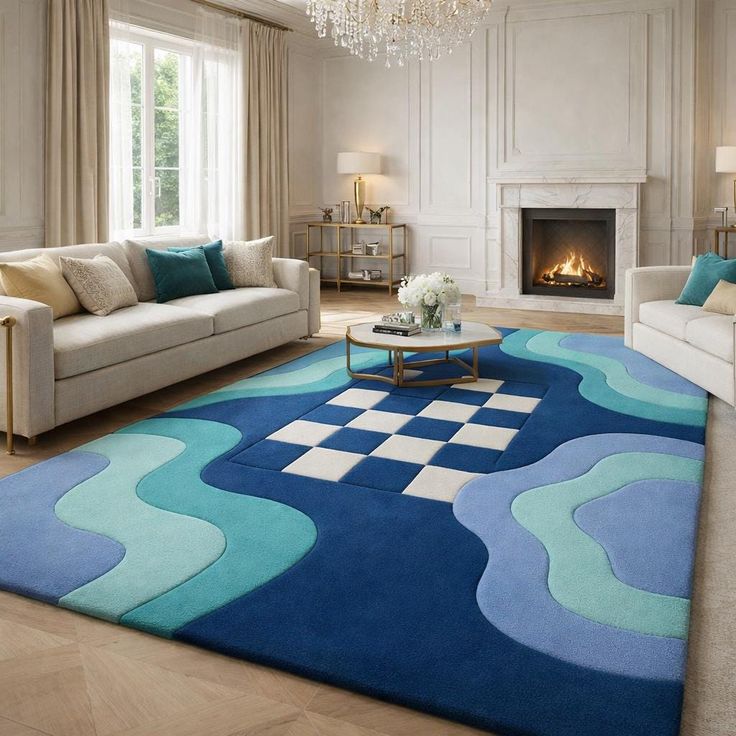
Is Glue Essential in Carpets? The Truth Every Buyer Should Know
When sourcing carpets for residential or commercial use, one question often comes up: Do carpets contain glue, and does it matter? The honest answer is—yes, in most cases.
In fact, for around 99% of wall-to-wall carpets and area rugs available on the market, adhesives are part of the manufacturing process. Understanding why glue is used, and how it affects quality, can help buyers make smarter decisions.
Why Most Carpets Contain Glue
From tufted carpets to woven styles such as Wilton and Axminster, many machine-made carpets rely on adhesives to enhance structure and durability.
For example, popular living room rugs and bedside rugs often feature a cotton backing. In these designs, glue is applied not only to the bottom layer but also between the fabric and the carpet backing. This improves:
- Structural stability
- Shape retention
- Edge durability
- Overall lifespan
This is one of the key reasons why glue-backed carpets dominate the global market—they are cost-effective, durable, and suitable for high-traffic environments.
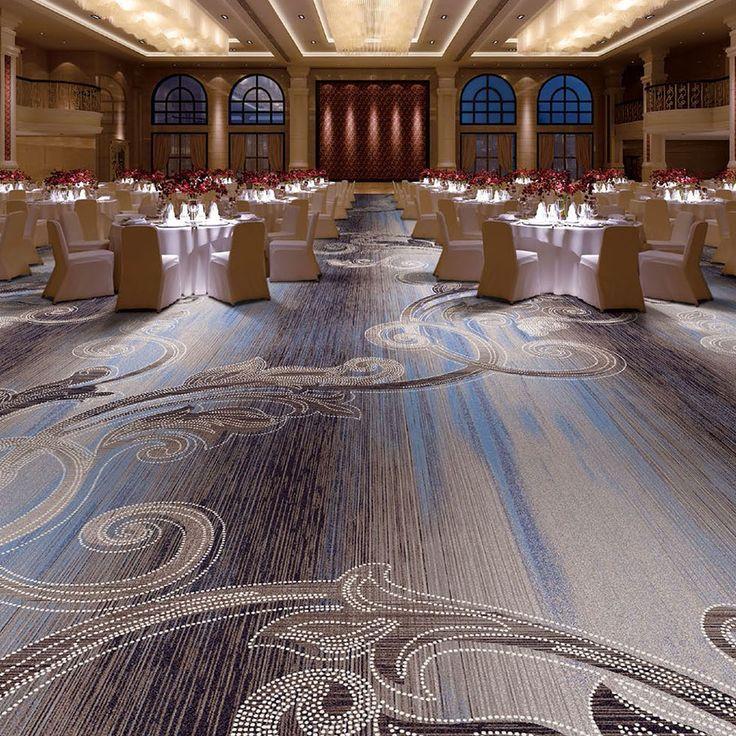
How to Identify if a Carpet Contains Glue
For buyers and importers, identifying glue usage can be an important quality check. Here are three practical methods:
1. Folding Test
Try folding the carpet gently. If it folds easily like a fabric sheet, it likely contains little or no glue. If it resists folding and can only be rolled, glue is probably present.
2. Penetration Test
Insert a thin stick or wire into the carpet backing. Easy penetration suggests minimal adhesive, while resistance indicates a glued structure.
3. Stretch Test
Lightly pull the carpet surface. If it deforms easily or reveals gaps, it may be glue-free or loosely woven. Glued carpets tend to maintain shape under tension.
Note: These methods are helpful but not 100% definitive. Always evaluate materials, craftsmanship, and supplier reliability as well.

Are Glue-Backed Carpets Safe?
Absolutely. Glue in carpets is not something to fear. In fact, it serves important functional purposes:
- Keeps wall-to-wall carpets flat and secure
- Prevents wrinkles, movement, and deformation
- Maintains pattern alignment in area rugs
- Enhances durability in high-use areas
Additionally, modern manufacturing uses improved adhesive formulations that meet safety and environmental standards.
Are There Carpets Without Glue?
Yes—but they are typically premium, handcrafted products.
Hand-knotted silk and wool carpets are made entirely by skilled artisans without the use of glue. Each piece is woven knot by knot, making it a true work of art.
These glue-free carpets offer several advantages:
- Eco-friendly & healthier: No chemical adhesives used
- Natural materials: High-quality silk or wool fibers
- Unique designs: Often inspired by Persian or modern patterns
- Superior comfort: Soft, breathable, and skin-friendly
- Durability: Dense structure ensures long-term use
They also provide better moisture regulation and air permeability, contributing to a healthier indoor environment.
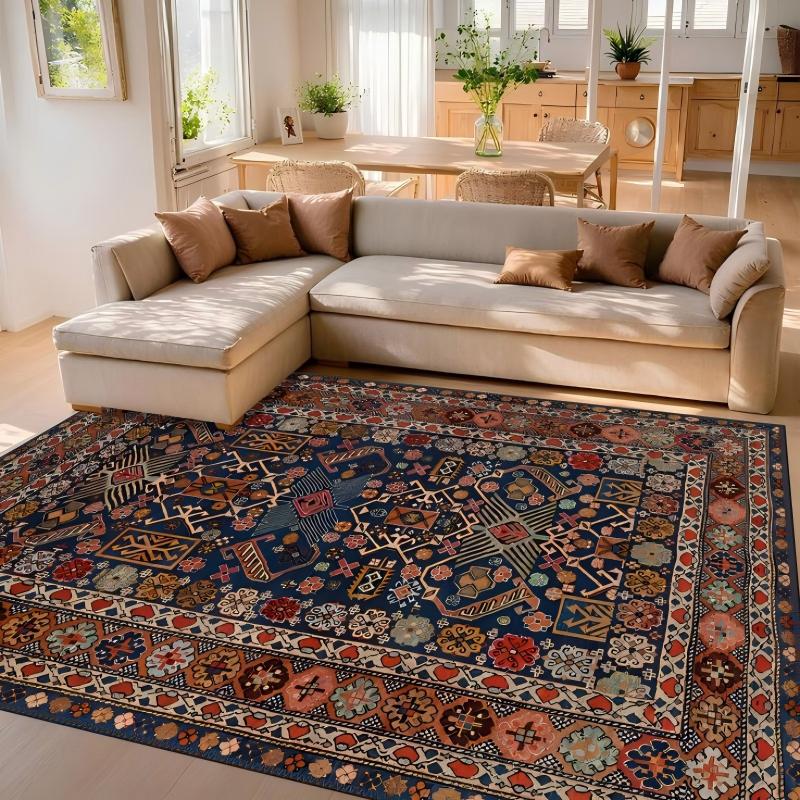
The Trade-Off: Quality vs. Cost
While glue-free hand-knotted carpets offer exceptional quality and craftsmanship, they come at a higher price due to limited production and labor-intensive processes.
On the other hand, glue-backed carpets remain the practical choice for most buyers, offering a balance of affordability, durability, and design variety.
Final Thoughts
“Glue or no glue” is not about right or wrong—it’s about choosing the right carpet for your needs.
- For large commercial projects or cost-sensitive applications, glue-backed carpets are reliable and efficient.
- For luxury interiors or premium markets, hand-knotted, glue-free carpets deliver unmatched value and uniqueness.
As a professional carpet supplier, understanding these differences allows you to better match products with your market—and provide customers with solutions that truly fit their expectations.