
How to Choose the Right Carpet Material: Complete Guide to 8 Popular Options
Choosing the right carpet material can make a huge difference in comfort, durability, and overall interior style. With so many options available, understanding the pros and characteristics of each material is key to making a smart decision. Below is a complete guide to 8 of the most common carpet materials, helping you select the best fit for your market or project.
Natural Carpet Fibers
Natural fibers are eco-friendly, breathable, and often preferred for premium or sustainable projects.
1. Wool Carpets
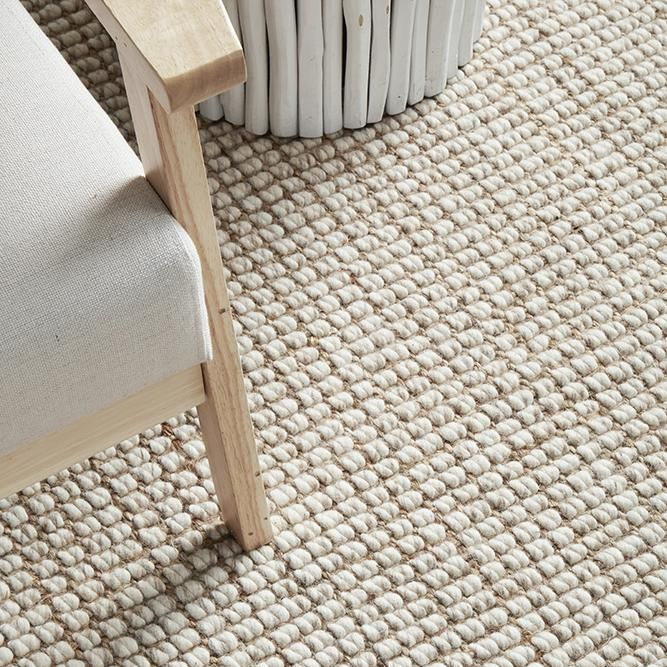
Wool is one of the most luxurious and high-performance carpet materials. It offers a soft touch, excellent elasticity, and long-lasting durability. Wool carpets resist static electricity, provide natural insulation, and reduce noise levels. Additionally, wool is biodegradable and environmentally friendly, making it ideal for high-end residential and hospitality projects.
2. Silk Carpets
Silk carpets are known for their elegant appearance and smooth texture. They feature vibrant colors with a natural sheen that enhances interior aesthetics. Silk also has good moisture absorption, helping maintain indoor humidity balance. However, it is typically used in decorative or low-traffic areas due to its delicate nature.
3. Jute Carpets
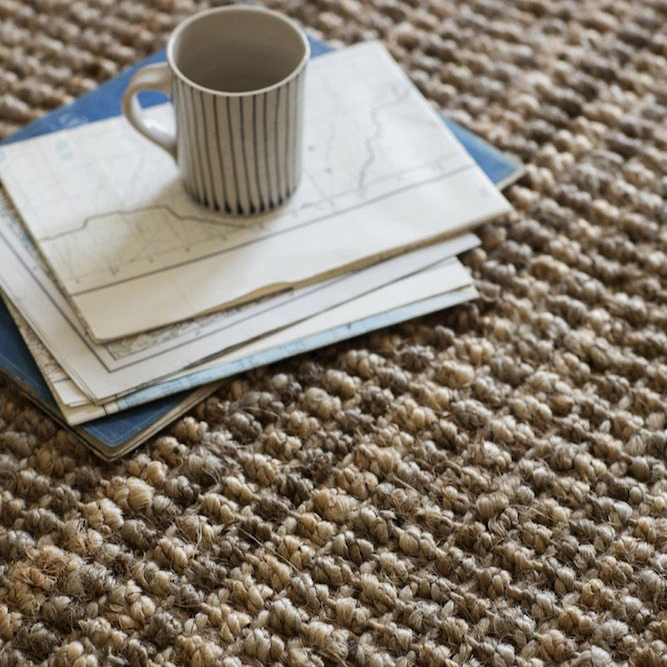
Jute is a sustainable and biodegradable material. It is highly durable, resistant to pressure and wear, and can even be cleaned with water. Jute carpets are anti-static and free from harmful chemicals, making them suitable for eco-conscious buyers.
4. Sisal Carpets
Sisal fibers are strong, coarse, and extremely durable. Sisal carpets are slip-resistant, noise-reducing, and easy to maintain. Their textured surface also provides a natural massage effect underfoot, making them popular in modern and minimalist designs.
Synthetic Carpet Fibers
Synthetic fibers are cost-effective, versatile, and widely used in commercial applications.
5. Nylon Carpets
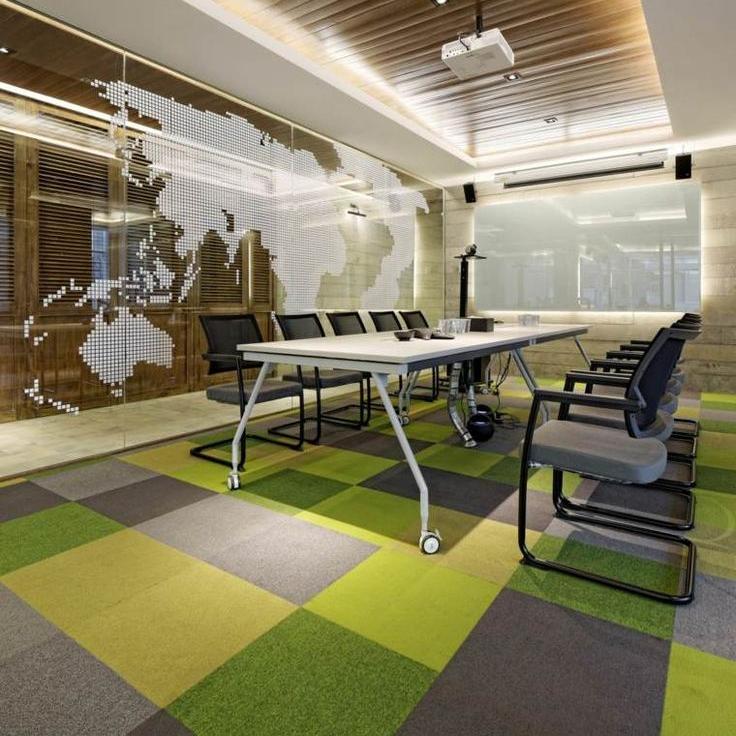
Nylon is one of the most durable synthetic fibers. It offers excellent wear resistance, easy cleaning, and strong resilience under heavy foot traffic. Treated nylon carpets can resist stains, mold, and allergens, making them ideal for offices, hotels, and high-traffic environments.
6. Polyester Carpets (PET)
Polyester carpets are known for their bright colors and fade resistance. They are easy to clean and maintain, with good stain resistance. Polyester also offers a soft texture and good shape retention, making it a cost-effective alternative to wool.
7. Acrylic Carpets
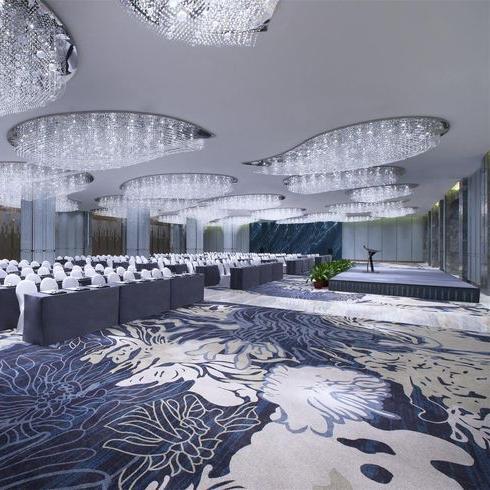
Often considered the closest synthetic alternative to wool, acrylic carpets are lightweight, warm, and soft. They resist fading, shedding, and wrinkling, while being easier to maintain than natural wool. Acrylic is a popular choice for budget-friendly yet comfortable flooring solutions.
8. Polypropylene Carpets (Olefin)
Polypropylene is highly resistant to moisture, mold, and chemicals. It has strong anti-stain properties and is suitable for both indoor and outdoor use. Although its elasticity is lower than wool, it performs well in areas with exposure to humidity or frequent spills.
How to Choose the Best Carpet Material
There is no absolute “best” material—only the most suitable one for your needs. Consider these factors:
- High traffic areas: Nylon or polypropylene
- Luxury and comfort: Wool or silk
- Eco-friendly projects: Jute or sisal
- Budget-friendly options: Polyester or acrylic
- Moist environments: Polypropylene or nylon
Final Thoughts
Understanding carpet materials helps you make better purchasing decisions and meet different market demands. Whether you’re sourcing for commercial projects or retail customers, selecting the right material ensures long-term satisfaction and performance.
If you’re looking for reliable carpet solutions—including custom designs, handmade rugs, and wall-to-wall carpets—working with an experienced supplier can give you a strong competitive edge in your market.